 24
Jan,2026
24
Jan,2026
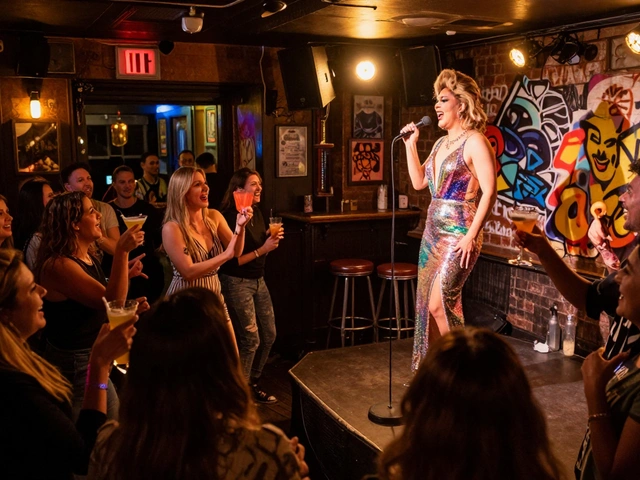
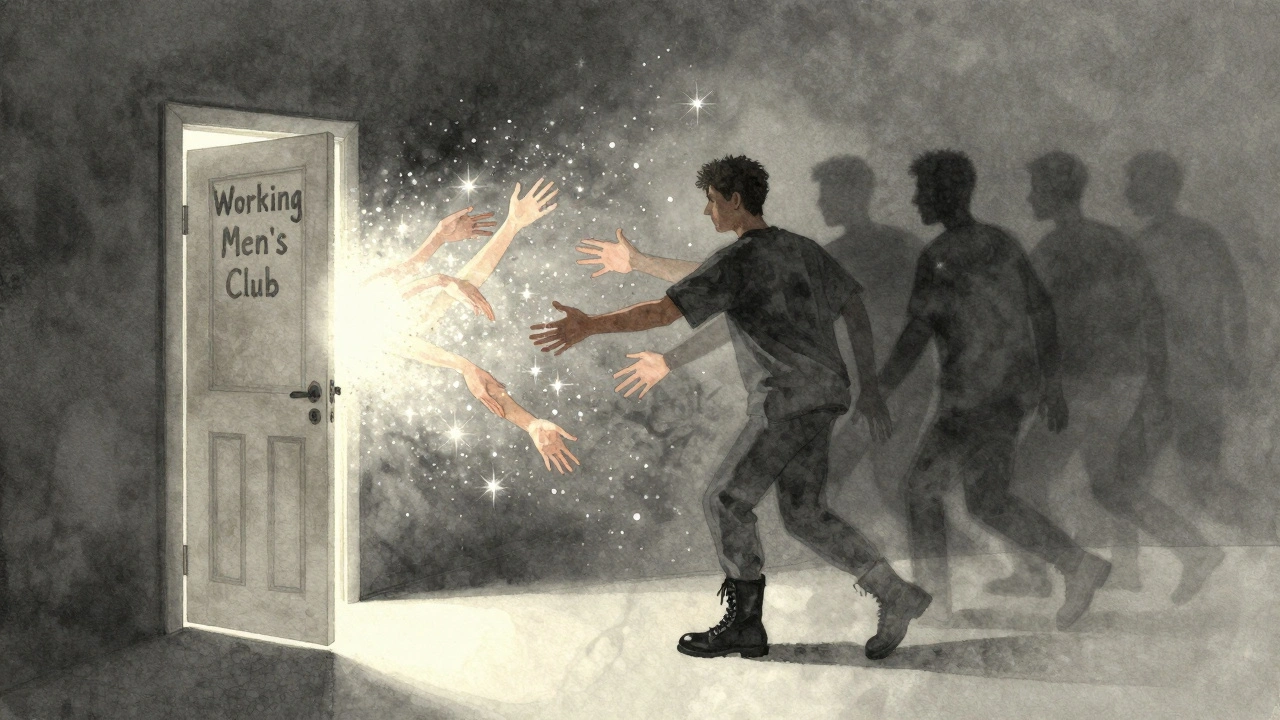
On a Thursday night in Bethnal Green, the usual crowd of older men with pints and old vinyl records fades out by 9 p.m. By 9:30, the room fills with laughter, glitter, and the bassline of a 2000s pop remix. This isn’t a takeover. It’s a homecoming. For the past three years, Bethnal Green Working Men’s Club has hosted Girls’ Night Out-a weekly queer space built by and for women, non-binary folks, and trans women who’ve spent years searching for a place that feels like theirs.
Why a Working Men’s Club?
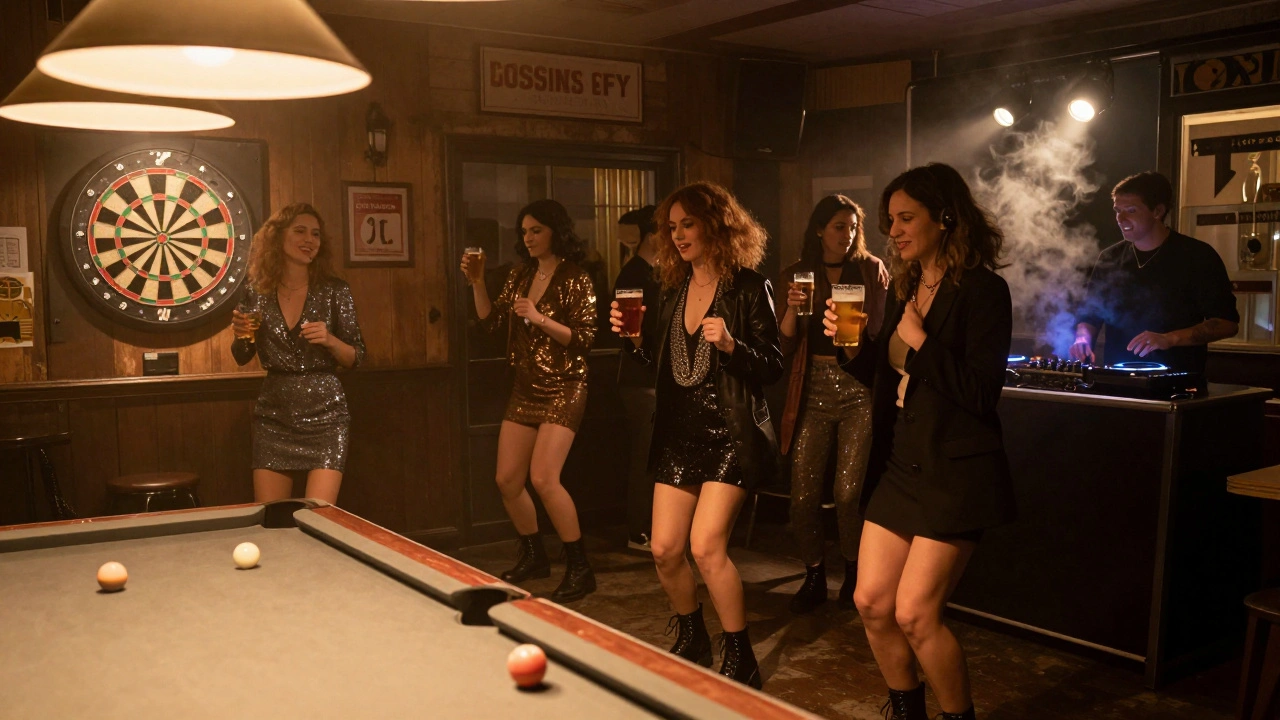
The Bethnal Green Working Men’s Club opened in 1956. It was built for dockworkers, factory hands, and tradesmen who needed a place to unwind after long shifts. The walls still carry the smell of old wood, cigarette smoke, and decades of pub grub. There’s no fancy lighting, no neon signs, no cover charge. Just a bar, a dancefloor, a pool table, and a dartboard that’s seen more battles than any tournament.For years, it felt like a relic. Then, in 2023, a group of local queer women-some who’d been kicked out of other clubs for being "too loud," others who’d been ignored at mainstream LGBTQ+ venues-asked the owner if they could rent the space one night a week. He said yes. No contract. No fees. Just: "If you bring the people, I’ll bring the beer."
Now, every Thursday, the club becomes something else entirely. The dartboard gets covered in glitter tape. The pool table is reserved for group games. The DJ spins everything from Sade to Little Mix to early Rina Sawayama. The crowd? Mostly women in combat boots and sequins. Some in suits. Others in nothing but a crop top and a smile.
What Makes It Different?
Most LGBTQ+ nightlife in London caters to gay men. That’s not wrong-but it leaves a gap. Queer women and non-binary folks often feel like guests in their own community. Bars like G-A-Y or The Eagle are loud, crowded, and dominated by male energy. Even some "queer-friendly" spaces feel like they were designed by men who think women just want to drink and take selfies.At Bethnal Green, the vibe is different. There’s no pressure to perform. No one checks your gender. No one asks if you’re "really" queer. You show up as you are. If you want to dance alone under the strobe light, you do. If you want to sit by the window with your friend and talk about your breakup, you do that too.
There’s no bouncer checking IDs for "authenticity." No VIP section. No bottle service. Just a £4 pint of lager, a £2 shot of tequila, and a playlist curated by someone who remembers what it felt like to be invisible.
The Rules Are Simple
There are no official rules posted on the wall. But everyone knows them.- No mansplaining. Not even joking.
- If someone says they’re not interested, you back off. No "just one dance" excuses.
- Don’t assume someone’s pronouns. Ask if you’re unsure.
- Bring your own snacks. The bar doesn’t serve food, but the group always shares.
- If you’re new, say hi to someone. Someone always will say hi back.
One woman, Maya, came for the first time in October 2024 after her ex-girlfriend ghosted her. She didn’t know anyone. She sat alone by the bar for an hour. A woman named Jules walked over, handed her a shot, and said, "You look like you need this more than I do." They danced until 2 a.m. Maya’s been coming every week since.
Who Shows Up?
The crowd changes every week. Some are in their 20s, fresh out of university. Others are in their 50s, retired teachers or nurses who’ve waited decades to find a space where they don’t have to hide. There are trans women who’ve never felt safe dancing in public before. Non-binary folks who’ve been turned away from "women-only" nights elsewhere. Lesbian couples who’ve been told their love isn’t "visible enough."One regular, Lila, is a 68-year-old retired librarian. She came for the first time after her wife passed. "I didn’t think I’d ever want to go out again," she told me. "But here, I don’t feel like I’m mourning. I feel like I’m living."
The club doesn’t advertise on Instagram. No influencers. No paid promotions. Word spreads through DMs, text chains, and whispered recommendations. "You have to go to Bethnal Green on Thursdays," people say. Not "it’s fun." Not "it’s trendy." Just: "You have to go."
It’s Not Just a Party
This isn’t just about dancing. It’s about survival.Queer women face higher rates of loneliness than any other group in the LGBTQ+ community. A 2024 study by the UK’s National LGBT Survey found that 47% of lesbian and bisexual women felt isolated in their local area. Many said they avoided nightlife because they didn’t feel welcome-or because they were catcalled, stared at, or treated like props for male fantasies.
Bethnal Green doesn’t fix that. But it gives people a place to breathe. To be seen. To be held, even if just for a few hours.
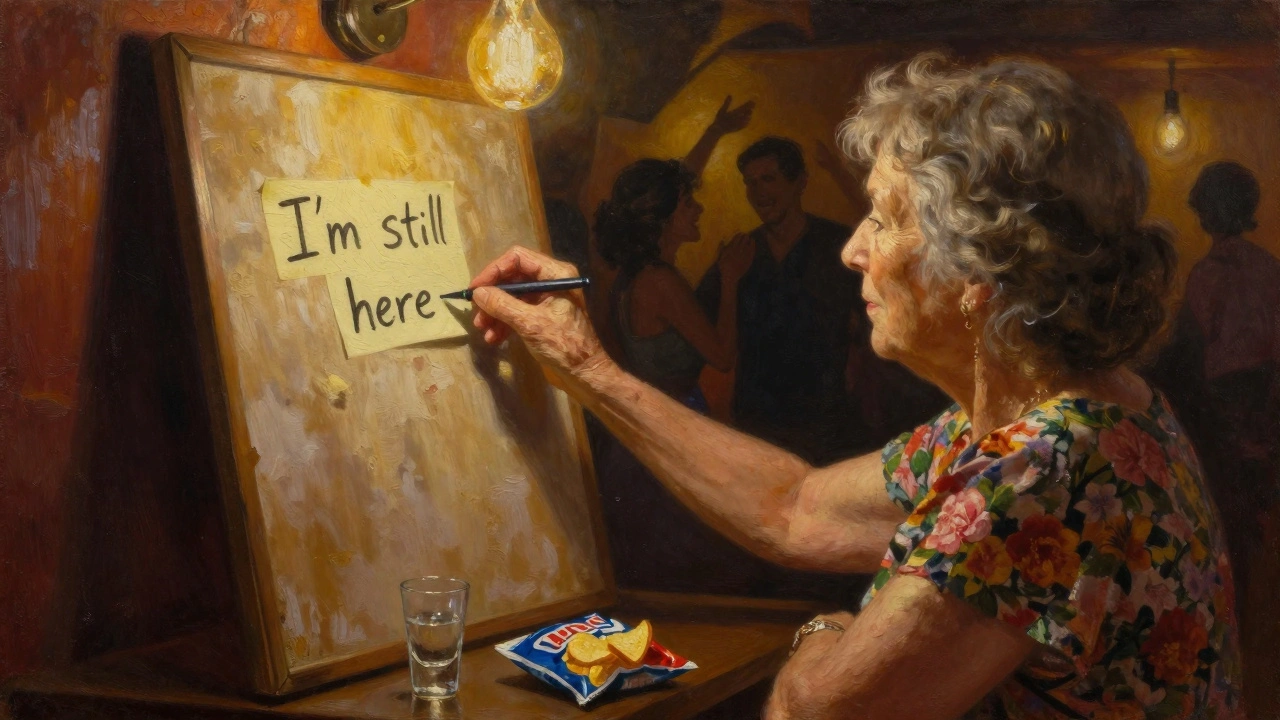
There’s a corner near the back where people leave notes on sticky pads. Some are funny: "I kissed a girl here and I liked it." Others are raw: "I didn’t think I’d make it to 30. I’m still here."
What’s Next?
The club doesn’t plan to expand. No franchising. No merchandise. No corporate sponsorships. The owner says he’ll keep it this way as long as people keep showing up. There’s talk of adding a monthly poetry night. A queer knitting circle during the day. Maybe a zine stand.But the core stays the same: one night a week, in a place no one expected to become a sanctuary, queer girls and women claim space. Not by force. Not by protest. Just by showing up-and staying.
If you’re in London and you’ve ever felt like you didn’t belong in the queer scene, go on a Thursday. Don’t look for a sign. Don’t check the event page. Just walk in. Someone will hand you a drink. Someone will smile. And for the first time in a long time, you won’t have to explain why you’re there.
Is Bethnal Green Working Men’s Club open to everyone?
Yes, but the Thursday "Girls’ Night Out" is intentionally centered on women, non-binary people, and trans women. Everyone is welcome to enjoy the space, but the vibe, music, and social rules are designed to protect and uplift those who’ve historically been excluded from LGBTQ+ nightlife. Men are welcome on other nights, but on Thursdays, the priority is creating a space free from male-dominated energy.
Do I need to be LGBTQ+ to attend?
You don’t need to identify as LGBTQ+ to come, but you do need to respect the space. If you’re straight and cisgender, your role is to listen, support, and follow the lead of those who’ve built this community. This isn’t a place for allies to perform allyship-it’s a place for those who’ve been pushed to the margins to feel safe and seen.
Is there a cover charge?
No cover charge. Drinks are cheap: £4 for a pint, £2 for a shot. The club relies on bar sales and donations. There’s a jar near the door labeled "Keep It Going"-cash only. People contribute what they can. No one is ever turned away for not paying.
What time does it start and end?
The doors open at 8:30 p.m. on Thursdays. The music usually starts around 9:30 p.m. and goes until 1 a.m. Last call is at 12:30 a.m. The club is in a residential area, so they’re strict about noise after 1 a.m.
Is it safe for trans women?
Yes. Trans women are not just welcome-they’re celebrated. The club has a zero-tolerance policy for misgendering or transphobia. Staff and regulars will step in immediately if someone is targeted. Many trans women say this is the first space they’ve ever felt completely safe dancing in public.
How do I find out about special events?
There’s no public website or Instagram. The best way is to ask someone who’s been. Word-of-mouth is the only way. If you’re curious, show up on a Thursday and ask at the bar. Someone will point you to the group chat or the sticky note board in the corner.
Final Thought
You don’t need a fancy venue to build community. You just need a room, a few people who care, and the courage to say: "This is ours now."Bethnal Green Working Men’s Club didn’t set out to change the world. But every Thursday, it does.