 1
Feb,2026
1
Feb,2026
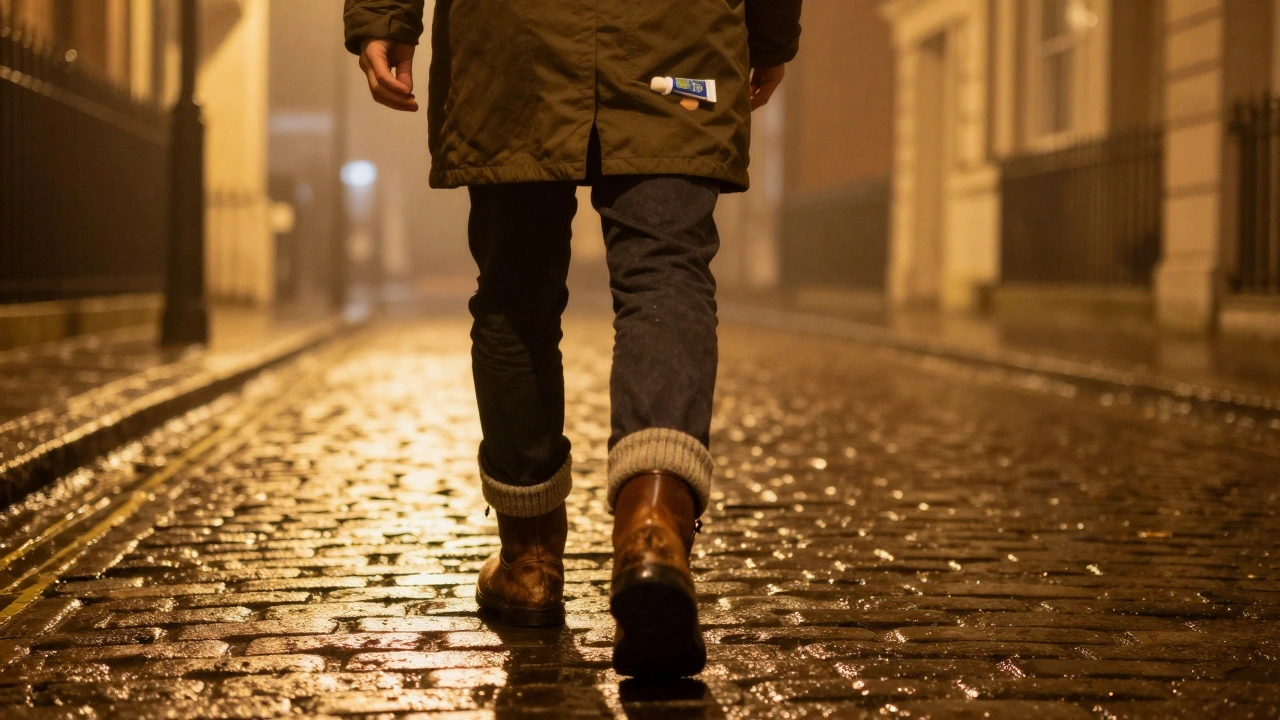
Walking through London at night isn’t just about seeing the lights-it’s about surviving the miles. Whether you’re chasing pub closures, queueing for a late-night show, or just lost in the maze of cobbled streets, your feet are the real heroes. And if you’ve ever woken up with a blister the size of a quarter, you know how fast one bad step can ruin your whole night. Blister prevention isn’t optional on a long London night. It’s the difference between dancing till dawn and limping back to your Airbnb.
Why Your Feet Betray You in London
London’s streets aren’t kind to shoes. Cobblestones, uneven pavements, and wet pavement after midnight turn every step into a gamble. Add in shoes that looked good on the mannequin but feel like sandpaper after an hour, and you’ve got a recipe for disaster. Blisters don’t happen because you’re weak-they happen because your skin rubs against your sock, your shoe, and your own tired body. It’s physics, not failure.Most people think blisters come from new shoes. That’s half right. The real culprit? Moisture. Sweat builds up. Skin softens. Friction turns into tearing. By 11 p.m., your feet are basically soggy paper towels inside leather or synthetic shells. That’s when the first hot spot appears.
Three Rules You Can’t Skip
- Wear the right socks-not just any socks. Merino wool blends are the gold standard. They wick sweat, resist odor, and cushion without bunching. Avoid cotton. It holds moisture like a sponge. I’ve seen people ruin three nights in a row because they wore cotton socks with their new walking boots. Don’t be that person.
- Break in your shoes before you go. If you bought them last week for your London trip, you’re already behind. Wear them around the house for at least three days. Walk up and down stairs. Stand for an hour in them. Feel where they pinch. If they hurt at home, they’ll break you on the street.
- Apply lubricant before you leave. Petroleum jelly, body glide, or even a dab of Vaseline on your heels, toes, and ball of the foot stops friction before it starts. Don’t wait for a hot spot. Prevent it. Apply it like you’re painting a target-every place your shoe might grab.
What to Pack (Beyond the Essentials)
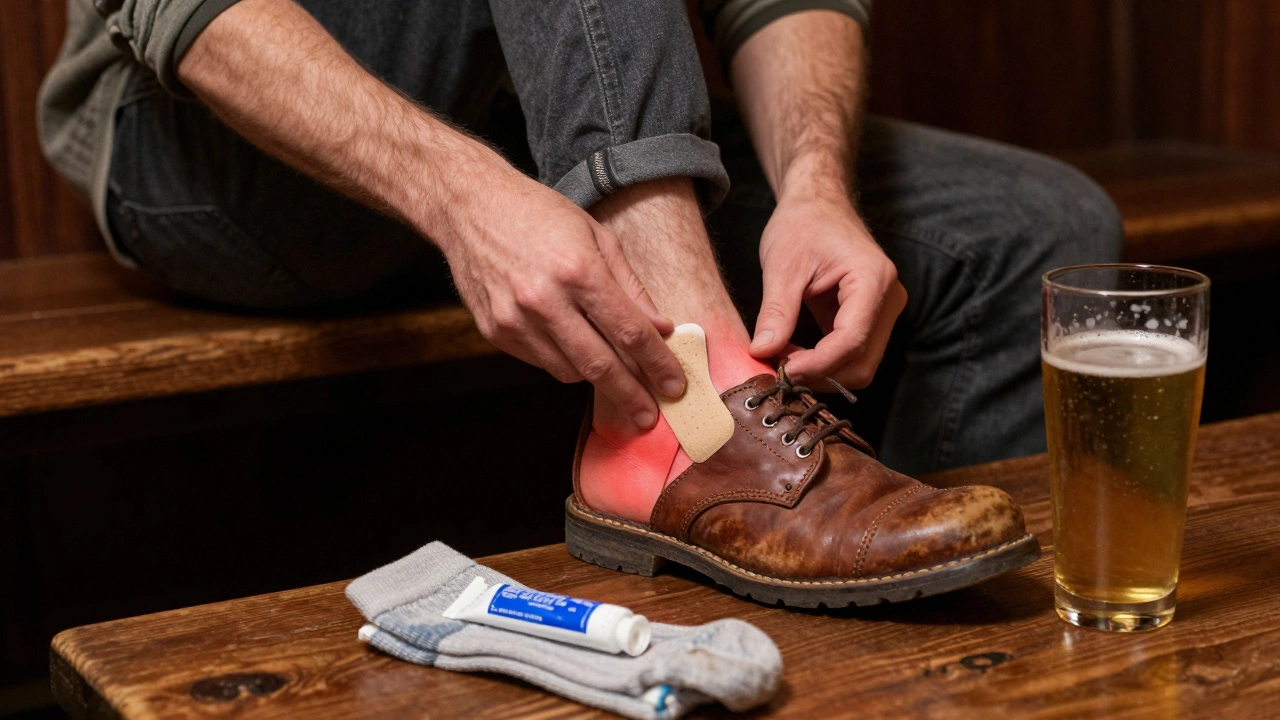
You’re packing for a night out. You’ve got your wallet, phone, umbrella. But you’re forgetting the real MVPs:- Moleskin patches-these are the unsung heroes. Cut them into strips, stick them over your heels or the sides of your toes before you leave. They’re thin, flexible, and stick like glue. I’ve watched people go from hobbling to dancing in ten minutes after applying one.
- Second pair of socks-yes, really. Bring a lightweight pair in your bag. If your feet get wet or start to sting, swap them out. A dry sock can reset your whole night.
- Small tube of antiseptic cream-just in case. If a blister pops (and it will if you ignore it), clean it fast. Betadine or even alcohol wipes from the pharmacy will stop infection before it starts.
Real-Time Fixes When It’s Already Too Late
You’re at a pub. Your heel is burning. You’re two hours into the night. What now?First, stop walking. Sit down. Take off your shoe. Check the spot. If it’s red and tender but unbroken, slap on a moleskin patch right there. If you don’t have one, use a bandage from your bag-but make sure it’s not too tight. You want pressure, not restriction.
If the blister’s already popped? Clean it with a wipe. Don’t peel the skin. It’s your natural bandage. Cover it with a sterile pad. If you’ve got nothing, use a clean tissue and tape it down with medical tape. No duct tape. No scotch tape. Just medical. Anything else will rip the skin off when you move.
And if you’re still standing? Elevate your feet for five minutes. Lean against a wall. Lift your legs onto a bench. Even a few minutes of blood flow reset helps reduce swelling and pain.
Foot Care After the Night
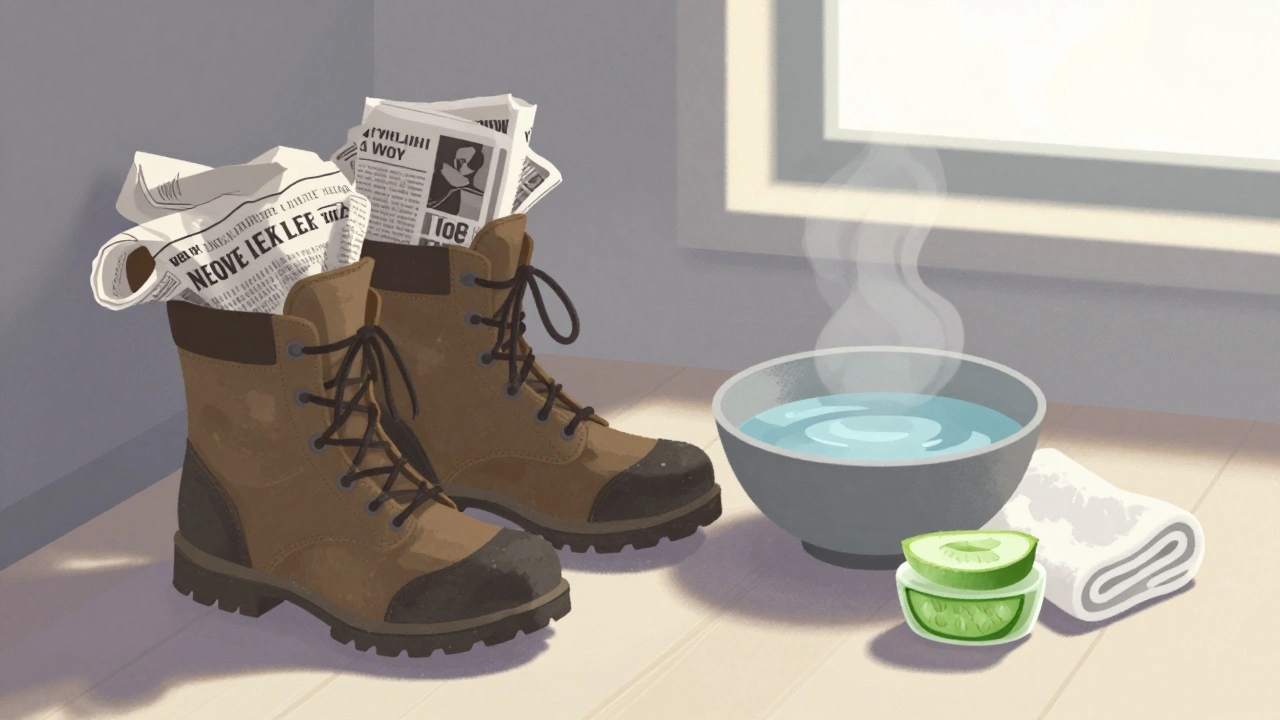
Don’t just throw your shoes in the corner and call it a night. Your feet need recovery too.- Wash them with cool water. Not hot. Heat swells inflamed skin.
- Pat dry-don’t rub. Rubbing reopens micro-tears.
- Apply a light moisturizer. Look for one with aloe or shea butter. Avoid anything with alcohol-it dries out already stressed skin.
- Let your shoes air out. Stuff them with newspaper. It pulls moisture and keeps their shape.
One night of bad feet can turn a trip into a nightmare. But with these simple, no-nonsense steps, you turn survival into comfort. You don’t need fancy gear. You don’t need to spend hundreds. Just know your feet. Respect them. And treat them like the tools they are.
What Not to Do
- Don’t tape your toes together. That’s a myth. It restricts circulation and makes blisters worse.
- Don’t pop blisters unless they’re about to burst on their own. The skin protects you.
- Don’t wear new shoes on your first night out. Even if they’re on sale.
- Don’t ignore the first sting. Hot spots are your body’s warning. Listen.
Final Thought: It’s Not About Toughing It Out
London nights are long. They’re magical. But they’re not meant to be endured with bleeding feet. The best nights aren’t the ones where you push through pain-they’re the ones where you stayed comfortable enough to enjoy every moment. Blister prevention isn’t a chore. It’s your ticket to staying out later, dancing longer, and remembering the night for all the right reasons.Can I use regular bandages instead of moleskin?
Regular bandages work in a pinch, but they’re not ideal. Moleskin is designed to stay put under pressure and doesn’t stick to your skin. Regular bandages can peel off when wet or move around, making the friction worse. If you only have bandages, cut them into strips and apply them loosely over the hot spot-never stretch them tight.
Is it better to wear two pairs of socks?
Wearing two pairs can help if one is a thin liner sock and the other is a cushioned outer sock. The inner layer reduces friction between your skin and the outer sock. But two thick socks? That’s a bad idea. It squeezes your feet, cuts off circulation, and creates more pressure points. Stick to one smart pair-merino wool or synthetic blend-and focus on fit, not layers.
Do foot powders help prevent blisters?
Foot powders reduce moisture, which helps-but they don’t stop friction. They’re useful as a supplement, not a solution. If you use powder, combine it with lubricant on high-risk spots. Powder alone won’t stop a blister from forming if your shoes are rubbing too hard.
What’s the best time to apply lubricant?
Apply it right before you leave, not hours before. Sweat and movement can rub it off. A thin layer on heels, toes, and the ball of your foot-just before slipping into your shoes-is ideal. Reapply if you’re out for more than six hours and have access to a washroom.
Should I wear sandals or flip-flops to rest my feet?
Only if you’re in a safe, dry place. London streets are wet, uneven, and full of debris. Flip-flops offer zero protection and can cause more injuries than blisters. If you need to rest your feet, sit down and take off your shoes. Let your feet breathe. Don’t swap one risk for another.