 26
Mar,2026
26
Mar,2026
Keeping a group together during London transfers feels impossible until you have the right system. We've all been there-someone ends up at Paddington when everyone else is at Victoria, or half your party is boarding a different tube while the rest are searching for the entrance. The good news? With clear communication channels and smart planning tools, you can coordinate even large groups without constant headcounts.
Why London Transfers Challenge Groups
London public transportation operates differently than most other cities. The Underground alone has 270 stations across nine zones, and surface transit options layer on top of that complexity. When you're coordinating five or more people, every transfer decision creates potential separation points. A simple journey from Heathrow to central London might involve trains, buses, tubes, or cabs-and each mode requires different waiting procedures.
The real issue isn't distance. It's timing variations. One person arrives three minutes early at Waterloo Station; another gets delayed at security. By the time they reunite, the express bus has left and your scheduled tour starts in twenty minutes. Coordination breakdowns cascade through entire itineraries.
Set Up Your Communication Infrastructure First
Before stepping foot in London, establish how your group will communicate during transfers. WhatsApp works well for international travelers since most smartphones already have it installed. Create a dedicated group chat labeled clearly-"London Trip 2026 Group B" rather than just "Trip." Include photos of important documents and set location sharing permissions so anyone can see where others are in real-time.
TfL Go App is Transport for London's official application. Download this before arrival-it shows live service status, delay alerts, and station congestion levels that aren't visible anywhere else. Set push notifications for specific routes you'll use repeatedly. If someone falls behind, checking the app tells you immediately whether their train was delayed by network issues or if they simply took a wrong turn at Bank Station.
Assign one person as the group coordinator. They don't need to carry everyone's baggage or make final decisions-but they should monitor the map view, announce departure times thirty minutes before leaving each location, and confirm arrivals at destinations. Rotate this role daily so no single person bears constant responsibility.
| Tool | Primary Use Case | Offline Capability |
|---|---|---|
| WhatsApp Group | Messaging + Location Sharing | Limited (requires data) |
| TfL Go App | Live Service Updates | Maps Downloadable |
| Google Maps Offline | Navigation Between Stations | Yes (download area) |
| Signal App | Backup Encrypted Chat | Requires minimal connection |
Master the Designated Meeting Point Strategy
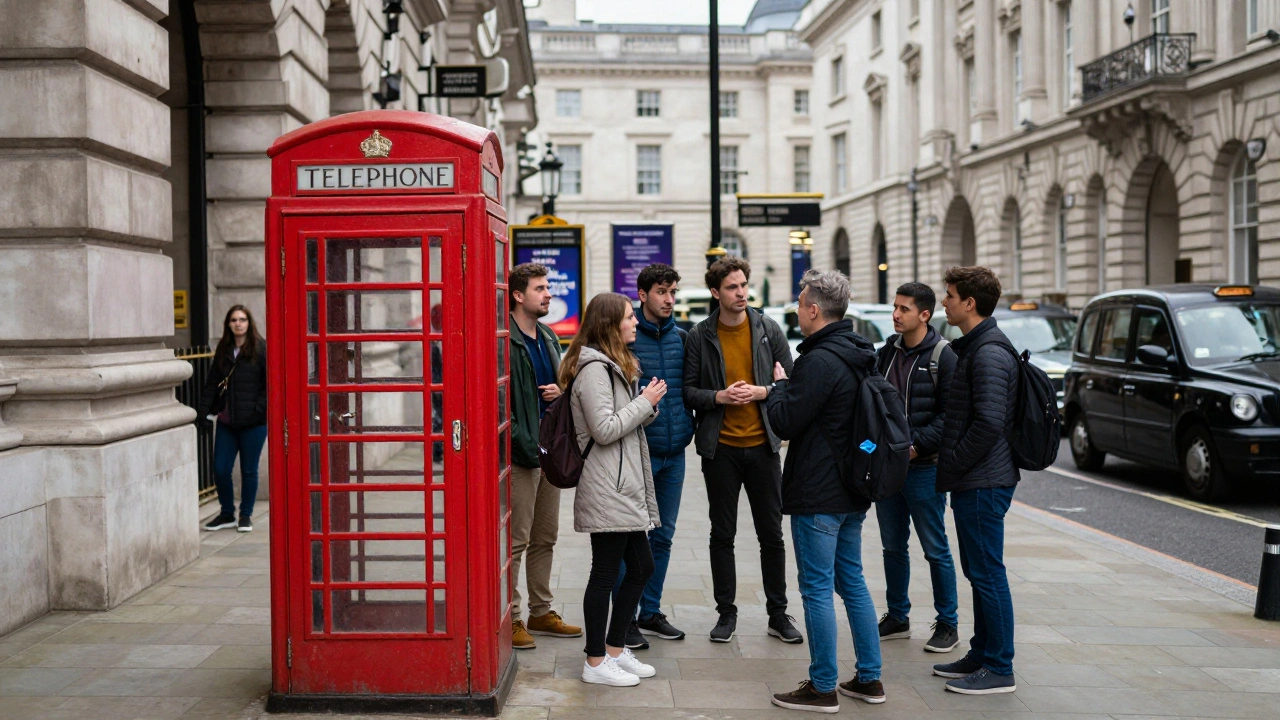
Never assume everyone finds the same entrance naturally. London stations have multiple exits scattered across several streets. Before departing each morning, agree on a physical landmark visible from multiple directions. For busy stations like King's Cross, specify "the British Library statue outside the main entrance" rather than "near the information desk" which exists in four locations within that station alone.
Write meeting coordinates on a card everyone carries separately. Include both the exact address and nearby distinctive features-"red phone booth on corner of Euston Road" beats "Euston Station North Exit." Test these points mentally before arriving. If your designated spot gets crowded or construction happens there, have backup locations numbered Priority One through Three ready to deploy via text message.
Black Cab Drivers understand London station layouts better than most locals. When using private hires during complex transfers, ask drivers to meet groups directly at the agreed landmark rather than attempting passenger pickup from generic curb areas. Licensed minicab companies maintain records of drop-off points and won't leave your party waiting under rain near confusing taxi ranks.
Build Time Buffers Into Every Transfer Window
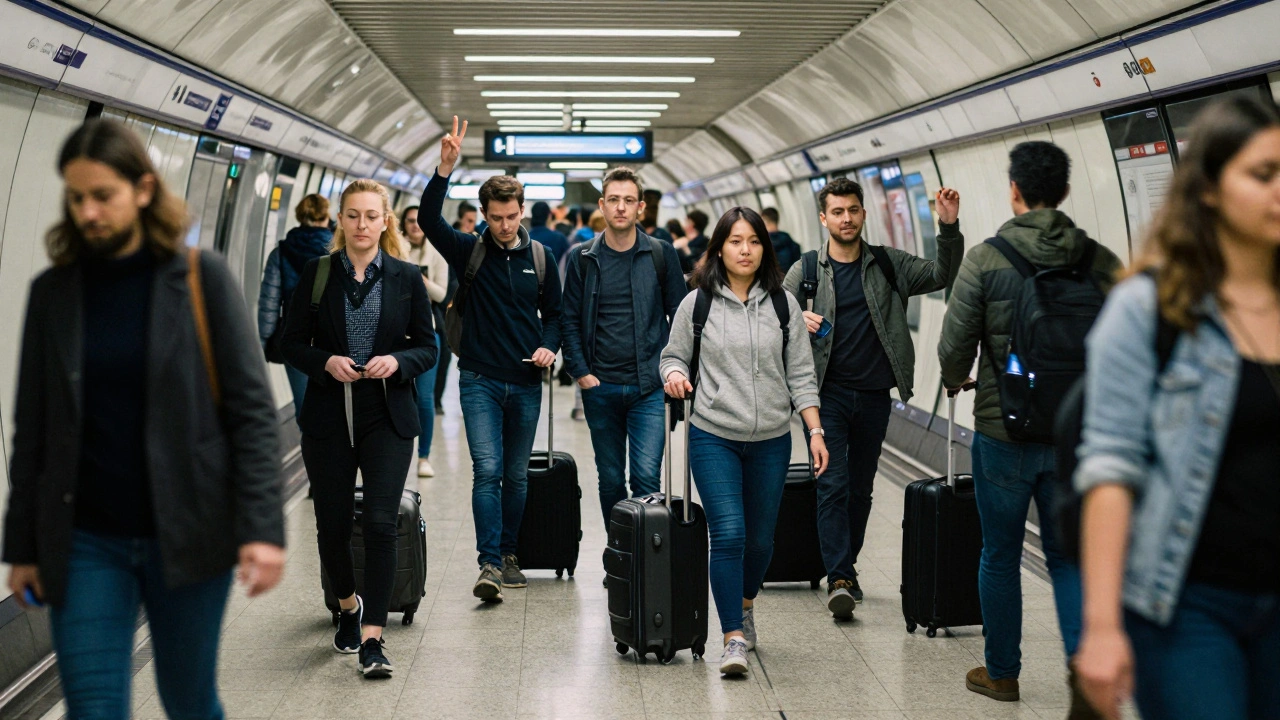
Underestimate everything, then add fifteen percent extra. Walking speeds vary dramatically between groups. Some members manage six kilometers per hour comfortably; others average three. Shopping excursions, bathroom breaks, and photo stops extend theoretical travel windows beyond posted schedules.
Calculate your buffer based on total travel duration plus complexity factor:
- Simple direct routes (one mode, no changes required): Add 15 minutes
- Medium transfers (one change needed, moderate crowd): Add 25 minutes
- Complex journeys (multiple modes, peak period, large group): Add 40-45 minutes
During rush hours specifically, add another ten-minute cushion regardless of calculated baseline. Peak-period crowding affects platform capacity-sometimes trains pass stations without stopping because overcrowding triggers safety systems.
Use Technology Without Overreliance
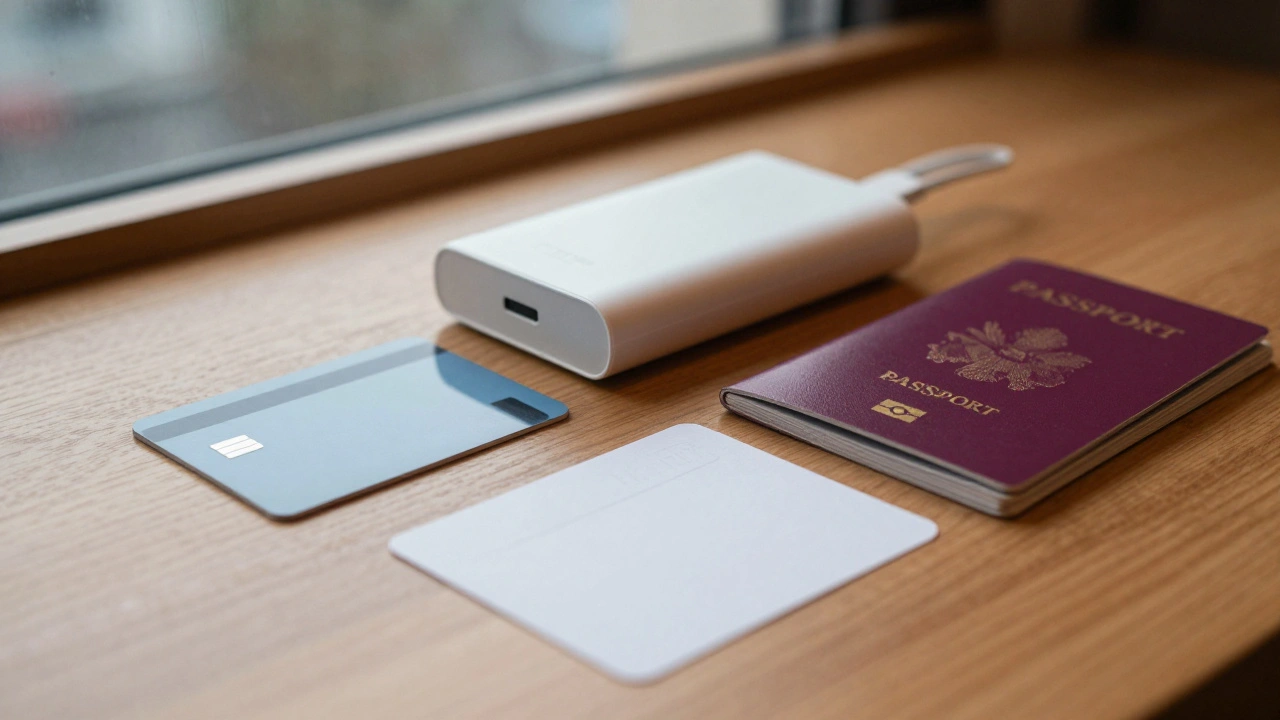
Oyster Card system enables contactless payments across all Transport for London services. Ensure every adult member has their own Oyster loaded with sufficient balance for unexpected detours. Children qualify for discounted rates through Child Oyster cards, eliminating mid-travel payment stress when spontaneous route changes occur.
Smartphone battery drain kills coordination efforts faster than missed connections. Bring portable chargers sized appropriately for group size-one power bank handles two phones comfortably for six hours. Designate who charges what equipment each evening so morning departures aren't delayed by dead devices displaying outdated service alerts.
Disable auto-update settings during travel days. Large downloads consume bandwidth needed for navigation updates and real-time messages. Pre-load Google Maps offline coverage for Greater London region including surrounding boroughs you might traverse unexpectedly due to service disruptions.
Handle Special Cases Proactively
Some situations require different protocols entirely.
Heathrow Express services connect airport terminals directly to Paddington Station every fifteen minutes. During holiday periods or major events, upgrade booking confirmation emails include seat assignments and guaranteed boarding positions. Distribute boarding passes before reaching security checkpoints. Families with children benefit greatly from priority access lanes available at designated counters.
Gatwick Rail provides similar reliability standards for south London arrivals. Contact details listed on reservation confirmations activate emergency support if scheduled flights get delayed past train windows. Rebooking policies allow same-day modifications without penalty fees when documented flight delays exceed ninety minutes minimum.
Accessibility accommodations significantly affect group movement patterns. Not all stations accommodate wheelchair users equally-even those marked accessible sometimes have elevator outages. Check status updates hourly before moving wheelchairs between zones. Elevator malfunction reports appear in TfL maintenance logs updated continuously throughout operating hours.
Create Emergency Separation Protocols
Someone inevitably gets separated despite perfect planning. Establish protocols before leaving accommodation so panic responses remain functional when actually needed.
Every person carries an index card listing primary coordinator contact, hotel address, and nearest police assistance number. Write details in pen-not pencil, not digital formats subject to lost passwords. Include currency conversion reference showing approximate cab fare costs from current location back to base hotel.
Agree maximum wait times at any meeting point: twenty minutes triggers protocol activation. After initial wait expires, designated coordinator calls hotel front desk requesting staff liaison dispatch rather than continuing circular searches independently across unfamiliar neighborhoods.
London Police non-emergency line responds quickly to tourist separation reports. Reference number 101 initiates coordination through local patrol officers familiar with tourist-heavy districts. Staff identify themselves carrying badges and standard-issue radios rather than accepting casual assistance requests from random pedestrians.
Document Everything For Future Trips
Screenshots capture what worked. After each day successfully navigating London transfers together, save brief notes documenting effective strategies alongside failures requiring improvisation. Note which landmarks proved easiest for strangers to find versus which created confusion repeatedly.
Timelines matter. Record actual departure times against planned ones weekly. Patterns emerge showing whether consistently late mornings stem from unrealistic expectations or genuine obstacles requiring schedule adjustments for subsequent days. These records become invaluable assets whenever organizing return visits or recommending approaches to friends planning similar experiences.
What's the best way to ensure no one gets separated at London Underground stations?
Establish specific visual landmarks outside station entrances (not inside), use WhatsApp location sharing, designate a clear meeting coordinator, and set twenty-minute maximum wait times before activating emergency protocols.
Should we buy individual Oyster cards or rely solely on contactless phone payments?
Individual Oyster cards provide offline capability and prevent battery drainage issues. Everyone having their own ensures separate payment histories if reimbursements needed later. Contactless works well as backup but fails when phones die completely.
How much extra time should we budget for each transfer during peak hours?
Add minimum 35 minutes beyond calculated travel time during peak periods (7-9 AM weekdays, 5-7 PM weekdays). Weekend peaks differ slightly-expect heavier crowds Saturday afternoons especially around major shopping districts and tourist attractions.
Can we pre-book taxis to avoid coordination problems entirely?
Pre-booking licensed minicabs guarantees vehicles meet exact specifications mentioned in confirmation details. Avoid unofficial operators advertising street hails-they charge premium rates without accountability mechanisms. Always verify driver identity matches booking reference numbers displayed prominently in vehicle windows.
What if someone doesn't have reliable smartphone service in London?
Physical index cards with coordinator contacts plus designated meeting locations solve this problem. Consider renting pocket Wi-Fi devices for entire groups-many providers offer unlimited data plans for week-long rentals at reasonable daily rates compared to international roaming charges.