 20
Feb,2026
20
Feb,2026
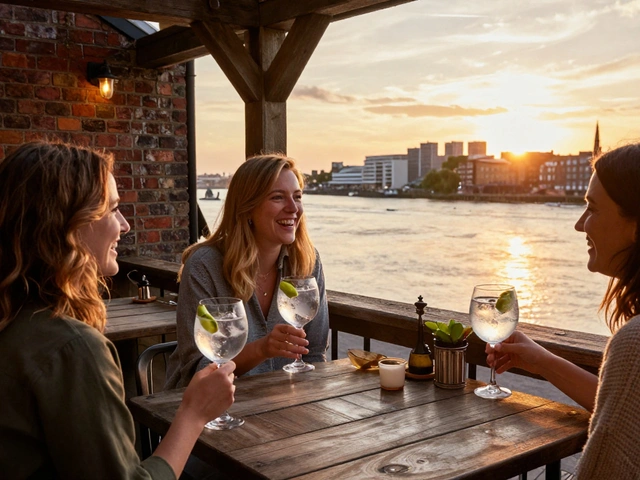
Walking into a packed nightclub, you’re sweating in your jacket by 9 p.m. By midnight, the AC is blasting and you’re shivering. Or maybe you’re at a rooftop bar that’s warm under the sun but freezing once the sun sets. This isn’t just uncomfortable-it’s a common mistake people make when dressing for places where the temperature swings wildly. The solution isn’t wearing a coat all night or stripping down to a tank top. It’s layering.
Why Layering Works Better Than One Heavy Outfit
Wearing one thick piece of clothing might keep you warm when it’s cold, but it traps heat when things heat up. That’s when you start sweating, looking messy, and feeling sticky. Layering fixes this by letting you add or remove pieces without changing your whole look. Think of it like a climate control system for your body. Each layer has a job: the base traps warmth, the middle holds it in, and the outer layer blocks wind or rain. You don’t need to carry a suitcase. Just three smart pieces can handle most venue temperature shifts.The Three-Layer System Explained
- Base layer: This goes next to your skin. It’s not about warmth-it’s about moisture control. Pick thin, breathable fabrics like merino wool or synthetic blends. Cotton? Avoid it. It soaks up sweat and stays wet, making you colder when the air turns cool. Merino wool, on the other hand, wicks moisture away and still keeps you warm even when damp.
- Mid layer: This is your insulation. A lightweight fleece, a thin knit sweater, or a down vest works best. It’s the piece you’ll take off first when the venue heats up. Look for something that packs small so it fits easily in a clutch or coat pocket. Avoid bulky jackets here-you want flexibility, not bulk.
- Outer layer: This is your shield. A wind-resistant jacket, a cropped trench, or even a stylish denim shirt can do the job. It doesn’t need to be waterproof unless you’re heading out into rain. The goal is to block drafts and keep your mid layer from losing heat. In summer, a light, open-weave cardigan or a structured blazer can replace this entirely.
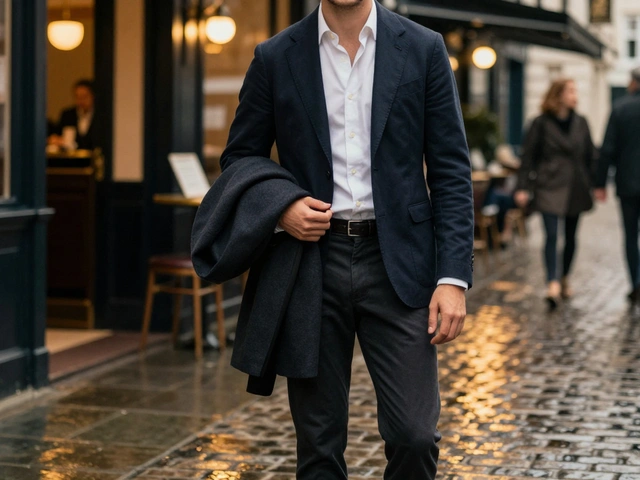
For example: a merino wool long-sleeve shirt (base), a zip-up fleece (mid), and a tailored bomber jacket (outer) gives you full control. Take off the bomber at the bar, unzip the fleece in the dance area, and keep the base on for comfort. You’ll stay dry, warm, and put-together.
What to Avoid
People think layering means piling on everything they own. That’s not it. Too many layers look sloppy, and they restrict movement. You’re not preparing for a winter hike-you’re getting ready for a night out. Here’s what to skip:
- Thick wool coats indoors-they’re meant for outside, not crowded rooms.
- Multiple cotton shirts-they hold sweat and never dry fast enough.
- Overly baggy pieces-they make you look like you raided your dad’s closet.
- One-piece outfits like jumpsuits or long dresses without openings-they trap heat and can’t be adjusted.
Also, ditch the idea that layering is only for winter. In Sydney, a 15°C evening can drop to 8°C by 1 a.m. Even in February, a breeze off the harbor can make a light dress feel chilly. A simple wrap or a cropped jacket makes all the difference.

Real-World Scenarios
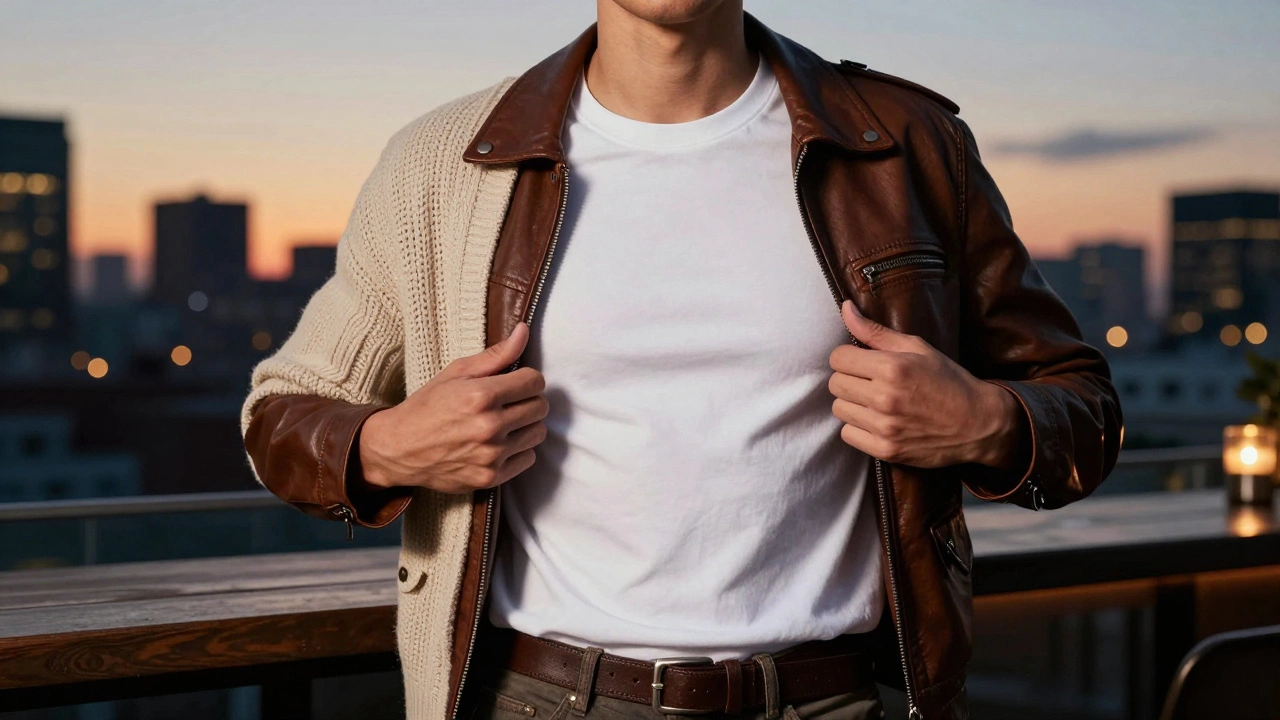
Let’s say you’re going to a rooftop bar in Darling Harbour. The sun is still out at 7 p.m., and it’s 22°C. By 11 p.m., the lights dim, the wind picks up, and it’s 14°C. Here’s what works:
- Start with a fitted cotton tee (base layer).
- Add a lightweight knit cardigan (mid layer) with buttons you can open.
- Throw on a cropped leather jacket (outer layer) for style and wind protection.
As it gets cooler, button the cardigan. If it gets too warm, take off the leather jacket. You still look sharp, and you’re never too hot or too cold.
Another example: a live music venue with a packed floor and a chill air-conditioned balcony. Wear a fitted turtleneck (base), a thin hoodie (mid), and a sleeveless puffer vest (outer). You can remove the vest on the dance floor, unzip the hoodie on the balcony, and keep the turtleneck for warmth and coverage.
Accessories That Do Double Duty
Layering isn’t just about shirts and jackets. Small accessories can be game-changers:
- A lightweight scarf made of silk or modal can be draped over shoulders, tied around your neck, or even tucked into a bag when not needed.
- A long-sleeve thermal undershirt is invisible under any top and adds warmth without bulk.
- Thumbhole cuffs on sleeves keep your wrists covered without gloves.
- Slip-on shoes with socks you can slip off? Perfect for venues with changing floor temps-think tile floors that get icy after hours.
These aren’t fashion statements-they’re practical tools. A scarf isn’t just for looking cute; it’s insulation you can carry.
What to Pack in Your Bag
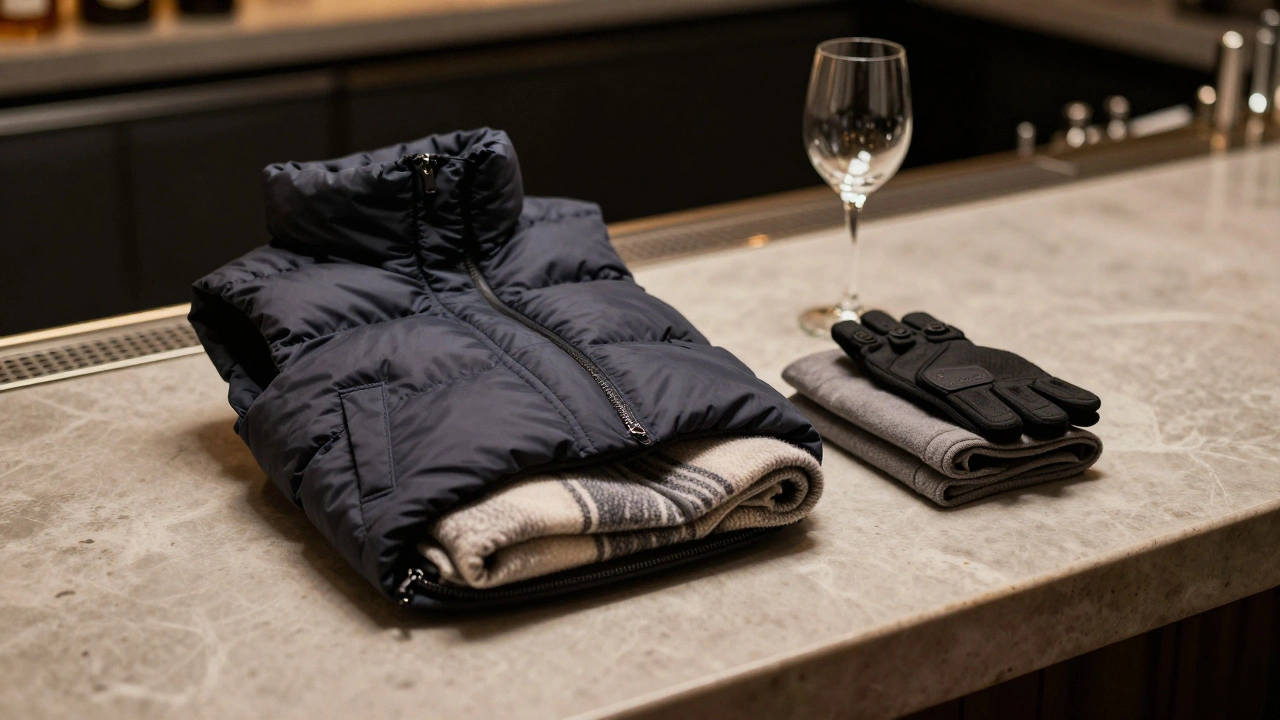
Even with the best layering system, things change. Always keep one extra piece in your bag. It doesn’t need to be big. Here’s what works:
- A foldable puffer vest (weighs less than a water bottle)
- A thin, rollable blanket scarf (can double as a shawl or lap cover)
- A pair of fingerless gloves (great for holding drinks and keeping hands warm)
- A small travel-sized fabric spray (for quick de-wrinkle if you’ve been sitting)
These fit in a small clutch or even a pocket. You don’t need to carry a backpack. Just one smart item can save you from shivering through the last song.
Why This Matters for Nightlife
Venues aren’t just about music or drinks-they’re about comfort. When you’re cold, you leave early. When you’re sweaty, you feel self-conscious. Layering lets you stay longer, move freely, and enjoy the vibe without distractions. It’s not about looking like a hiker-it’s about looking like someone who knows how to handle real-world conditions.
People notice when you’re comfortable. They don’t notice the layers-they notice you’re relaxed, confident, and in control. That’s the real power of layering.
Can I layer in summer?
Yes. Summer nights in cities like Sydney can drop 10°C from day to night. A light cotton cardigan, a short-sleeve thermal top, or a thin denim jacket can provide just enough warmth without overheating. The key is breathable fabrics and minimal bulk.
What’s the best fabric for base layers?
Merino wool is the top choice-it wicks sweat, resists odor, and stays warm even when wet. Synthetic blends like polyester or nylon are good budget options. Avoid cotton; it holds moisture and makes you colder when the temperature drops.
Do I need to buy expensive clothes to layer well?
No. You can find effective base layers for under $30 at outdoor or even fast-fashion stores. Look for thin, fitted pieces labeled as "thermal," "moisture-wicking," or "performance." A $25 fleece vest and a $15 lightweight jacket can do more than a $200 coat you can’t adjust.
How many layers is too many?
Three is the sweet spot: base, mid, outer. More than that makes you look bulky and limits movement. If you’re adding more than three, you’re probably wearing the wrong materials. Focus on function over quantity.
What if the venue has no place to store a jacket?
Choose a layer that doubles as fashion. A cropped blazer, a stylish shawl, or a long cardigan can be draped over your chair or carried over your arm. Avoid bulky coats. If you must leave it behind, pick something that doesn’t wrinkle easily and fits in a small bag.