 29
Dec,2025
29
Dec,2025
Ever watched a live improv show and thought, How do they do that? No scripts. No cues. Just a room full of strangers making up hilarious scenes on the spot-and somehow, it works. It’s not magic. It’s training. And you don’t need to be funny to start. You just need to say yes.
Why improv isn’t about being funny
Most people think improv comedy class is for people who want to become stand-up comics. It’s not. It’s for people who want to think faster, listen better, and stop overthinking everything. The goal isn’t to land jokes. It’s to build trust-with your scene partner, with the audience, and with yourself.At its core, improv is about collaboration. The first rule you’ll learn is Yes, and.... It sounds simple, but it changes everything. If your partner says, “We’re astronauts stranded on a moon made of cheese,” you don’t say, “That’s ridiculous, we’re in a kitchen.” You say, “Yes, and I just ate three slices-now I’m floating.” Suddenly, you’re building something together. That’s the magic.
Studies from the University of Cambridge show that people who train in improv show measurable improvements in creative problem-solving and emotional resilience. It’s not just about laughs. It’s about rewiring how you react under pressure.
What happens in your first improv class
Your first session won’t start with monologues or punchlines. You’ll start with games. Simple, silly, sometimes awkward games. Here’s what you’ll actually do:- Word at a Time Story: One person says one word. The next person says the next. You build a story together-no planning allowed. It’s chaos. And it’s hilarious.
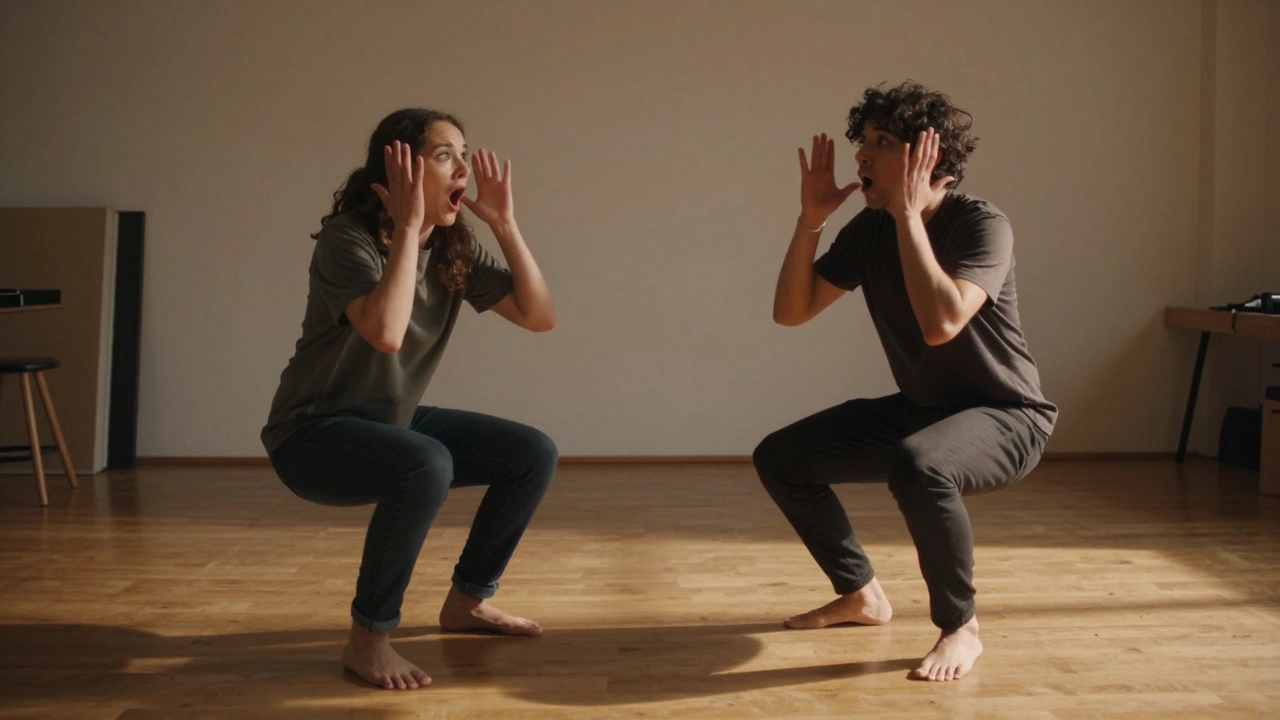
- Emotion Mirror: You pair up. One person makes a face and a movement. The other copies it exactly, then switches roles. It builds non-verbal communication and presence.
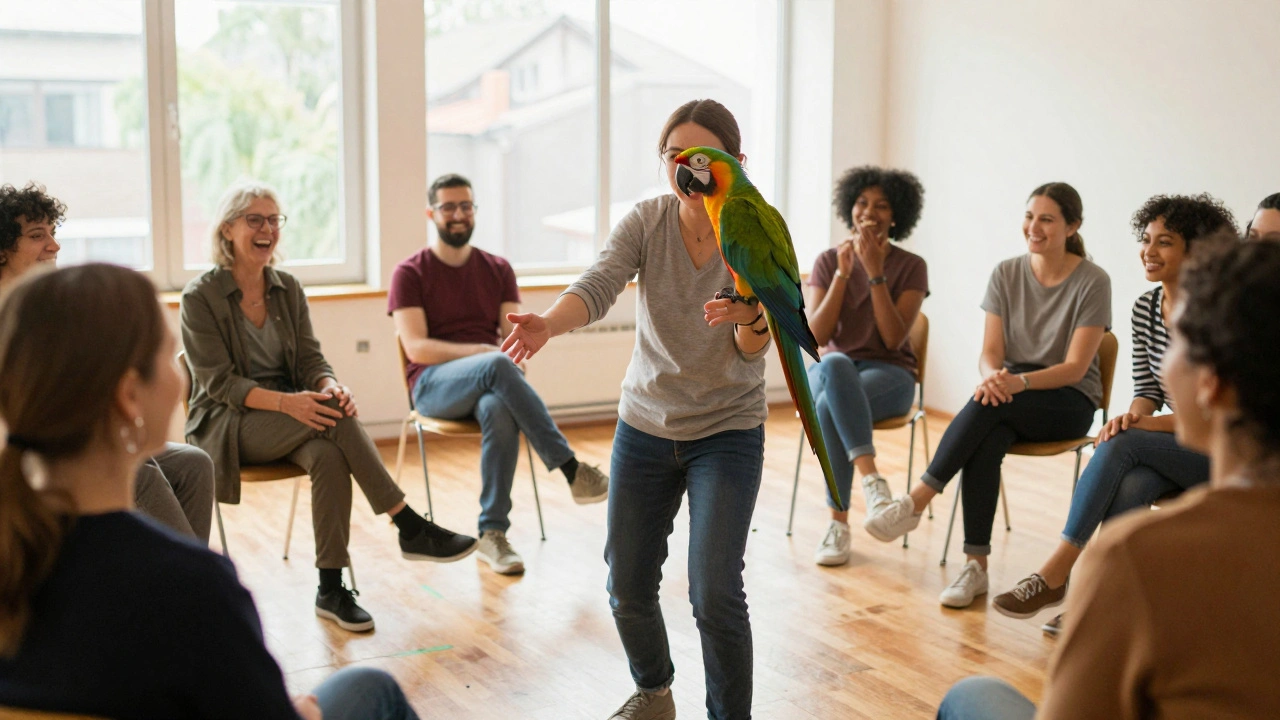
- Party Game: Everyone stands in a circle. One person starts acting out a character (a confused tourist, a robot chef, a nervous parrot). The rest of the group joins in one by one, matching the energy. No one leads. No one fails.
There’s no right or wrong. No one gets laughed at. The only rule is: don’t block. Don’t shut down ideas. Don’t say no. You’ll feel silly. That’s the point.
How improv builds real-life confidence
Think about the last time you froze during a presentation, stumbled over your words in a job interview, or avoided speaking up in a meeting. That’s not lack of knowledge. That’s fear of being wrong.Improv teaches you that being wrong is the gateway to being brilliant. If you’re used to rehearsing every sentence, improv forces you to trust your instincts. You start noticing things: how someone’s voice changes when they’re nervous, how silence can be funny, how a single gesture can tell a whole story.
People who take improv classes in Sydney report better performance in client meetings, smoother conversations with their kids, and even improved dating experiences. Why? Because improv isn’t about performing for an audience. It’s about showing up-fully, authentically, without a safety net.
What you’ll learn in a 6-week course
Most beginner courses run for six weeks, one session per week. Here’s what you’ll cover:- Listening and presence: Learning to hear what’s actually being said-not what you think should be said.
- Accepting offers: Saying “yes” to unexpected ideas, even if they seem weird.
- Character development: Creating quick, vivid personas with just a voice, posture, or one line.
- Scene work: Building short, coherent stories with two or three people.
- Group dynamics: How to support others without stealing the spotlight.
- Performance: A final showcase where you perform in front of friends and family-no pressure, just celebration.
By week six, you won’t be a professional comic. But you’ll walk out of that room with a new way of thinking. You’ll notice yourself saying “yes” more in daily life. You’ll pause before correcting someone. You’ll laugh at your own mistakes. And you’ll realize you’ve been holding yourself back-not because you’re not funny, but because you were afraid to be vulnerable.
Who should take an improv class?
You don’t need to be an extrovert. You don’t need to have performed before. You don’t even need to like comedy.Improv classes are filled with:
- Teachers who want to connect better with students
- Engineers who need to think creatively
- Parents who want to lighten up at home
- People recovering from anxiety or social burnout
- Corporate teams doing team-building that doesn’t involve trust falls
It’s not for everyone-but if you’ve ever felt stuck in your head, if you’ve ever wished you could just go with the flow, this is your doorway.
What to expect on performance night
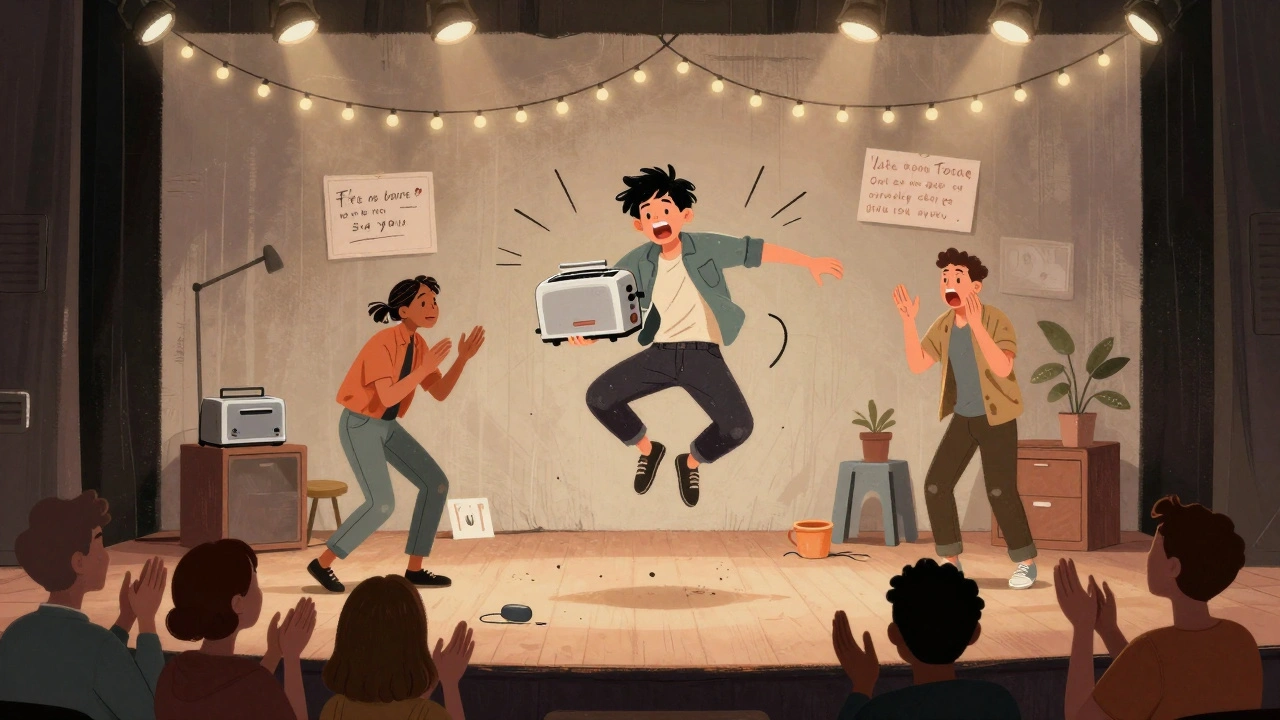
The final class isn’t a test. It’s a party. You’ll perform a 10-15 minute show with your classmates. The audience? Friends, family, maybe a few curious locals. No critics. No judges.The scenes are messy. They’re loud. Sometimes they fall flat. And that’s okay. In fact, the funniest moments are often the ones that go off-script. Someone forgets a line. Someone trips. Someone says, “I’m a talking toaster!” and the whole room erupts.
That’s improv. It’s not polished. It’s alive. And you’re part of it.
Where to find a class in Sydney
Sydney has a thriving improv scene. Look for schools like Comedy Theatre Sydney, Improv Australia, or The Laugh Lab. Most offer beginner courses starting every 6-8 weeks. Prices range from $180 to $280 for six weeks. Some even offer pay-what-you-can slots.Check their websites for class schedules. Most run on weekday evenings or weekend afternoons. Don’t wait for the “perfect” time. The best time is now.
What comes after the class?
After your first course, you’ll have options:- Take another beginner course to deepen your skills
- Join a weekly drop-in jam session (many venues host them)
- Try advanced scene work or long-form improv
- Start your own group with classmates
Some people keep taking classes for years. Others move on-but they carry the mindset with them. They speak up in meetings. They laugh more. They stop waiting for permission to be themselves.
That’s the real payoff. Not the applause. Not the jokes. But the quiet confidence that comes from knowing you can handle the unexpected-and maybe even enjoy it.
Do I need to be funny to join an improv class?
No. In fact, trying too hard to be funny usually makes things harder. Improv is about listening, reacting, and collaborating. The humor comes naturally when you stop forcing it. Most people discover they’re funnier than they thought-once they stop worrying about being perfect.
Is improv class safe for shy people?
Yes. Improv classes are designed to build comfort gradually. You’ll never be forced to perform alone. Activities start small-pair work, then small groups, then the whole class. The environment is supportive, not competitive. Many shy people say improv helped them find their voice for the first time.
How long does it take to get good at improv?
You’ll notice changes after just one class. Real confidence builds over 4-6 weeks. Mastery takes years-but you don’t need mastery to benefit. Even one course can shift how you handle stress, conversations, and unexpected situations in everyday life.
What should I wear to class?
Wear something comfortable. No costumes needed. Sneakers or flat shoes are best-you’ll be moving around. Avoid baggy clothes that might trip you, and skip high heels. You’re not performing on stage yet. You’re learning to move freely.
Can I take improv if I have no acting experience?
Absolutely. Most students have never acted before. Improv isn’t about technique-it’s about being present. You don’t need training. You just need to show up and say yes.