 14
Dec,2025
14
Dec,2025
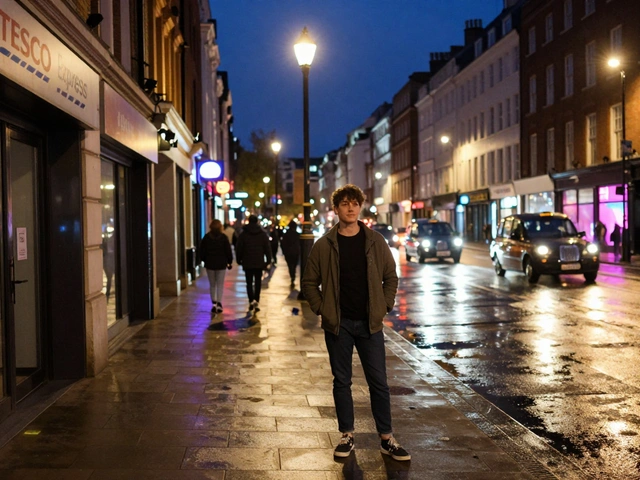
Trying to take photos or film in London’s nightlife isn’t just about pointing a camera and pressing record. It’s a tightrope walk between capturing the energy of the city after dark and staying on the right side of the law, the venue’s policy, and the people you’re shooting. If you’ve ever been turned away at a club door because your camera bag was too big, or had your footage deleted by a bouncer, you know how messy it can get.
What You Can and Can’t Do in London Clubs
Every venue in London has its own rules, but there are some patterns you’ll see everywhere. Most clubs, especially the bigger ones in Soho, Shoreditch, or Camden, ban professional equipment outright. That means DSLRs, mirrorless cameras, tripods, external mics, and even large smartphone gimbals often trigger automatic refusal. Why? It’s not about being difficult-it’s about safety, privacy, and crowd control. A camera on a tripod blocks exits. A mic boom in a packed dance floor is a hazard. And if someone doesn’t want to be filmed, the club doesn’t want the legal risk.
Small, discreet cameras like a GoPro on a chest mount or a smartphone in your pocket are usually fine-if you’re not drawing attention. But if you’re clearly shooting for content creation, editing, or commercial use, you’re already in a different category. Many clubs don’t mind casual snaps if you’re just there to enjoy the night. But if you’re standing still for 20 seconds trying to get the perfect low-light shot, you’re no longer a guest-you’re a photographer.
Permits and Legal Boundaries
If you’re filming for YouTube, TikTok, or any public-facing platform-even if you’re not getting paid-you’re technically doing commercial filming. London’s local councils treat this seriously. The City of London Corporation, Westminster Council, and Camden Council all require permits for commercial filming in public spaces, even if you’re just outside a club. That includes sidewalks, alleyways, and public squares where people gather after closing time.
For private venues like clubs and bars, you need written permission from the owner or manager. No verbal okay. No “they said it was fine.” If you’re working with a brand, a PR team, or even a friend’s band, you need a signed agreement. Clubs are legally responsible for what happens on their property. If someone sues because they were filmed without consent, the club gets the lawsuit. They won’t take that risk unless they’re paid for it.
There’s a difference between personal use and commercial use. If you’re posting a 15-second clip on Instagram Stories with no tags, no ads, and no monetization, you’re likely fine. If you’re editing a 5-minute video with background music, branded overlays, and a call-to-action to “book a table,” you’re commercial. And that’s where the rules get strict.
Best Practices for Shooting Without Getting Kicked Out
Here’s how to shoot in London’s nightlife without becoming the person everyone whispers about:
- Call ahead-Don’t show up with gear and hope for the best. Call the venue at least 48 hours in advance. Ask: “Do you allow photography or filming on nights when the club is open?” Be honest about your intent. Say you’re making content, not just taking photos. Most places will say no-but a few will say yes if you’re polite and professional.
- Go during quiet nights-Weekdays like Tuesday or Wednesday are easier. Clubs are less crowded, staff are less stressed, and managers are more likely to make exceptions. Friday and Saturday? Forget it unless you’ve paid for a media package.
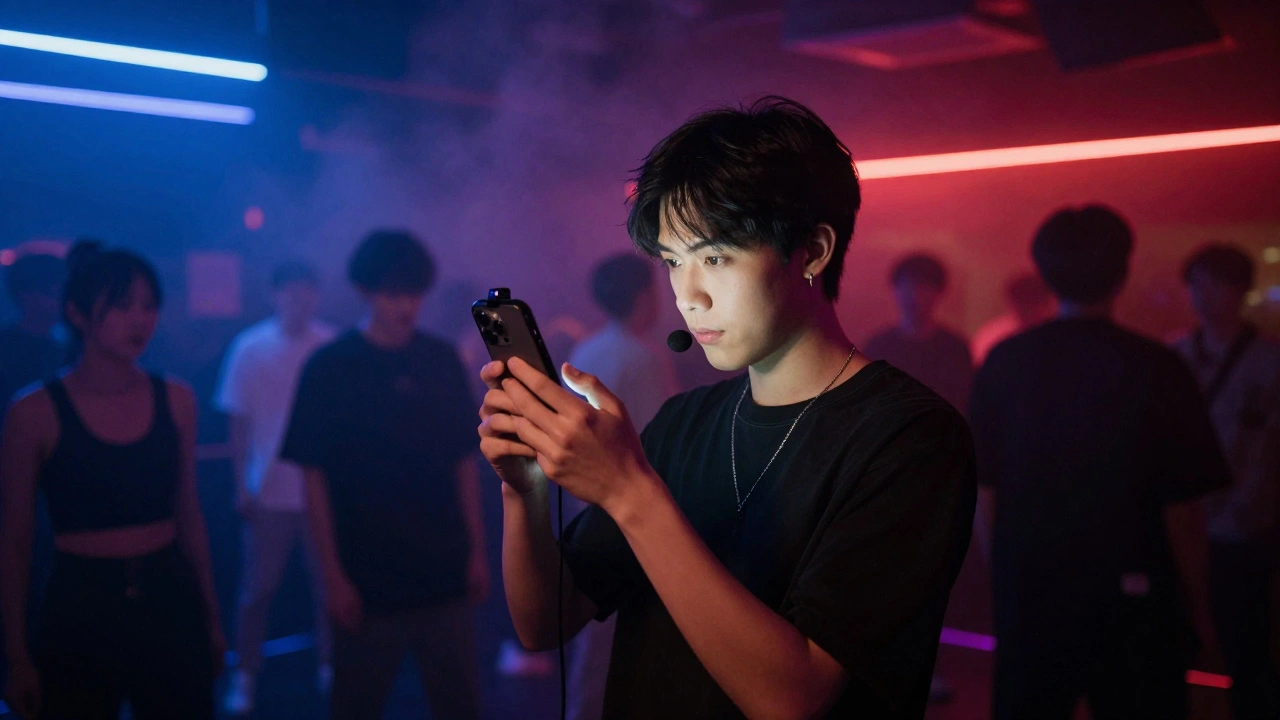
- Use minimal gear-A smartphone with night mode and a small clip-on mic is your best friend. Avoid lighting rigs, reflectors, or anything that looks like a production setup. The less you look like a film crew, the less you’ll be questioned.
- Ask for consent-If you’re filming someone up close, even if they’re dancing, ask them. A quick “Hey, mind if I film you for a bit?” goes a long way. Most people say yes if you’re respectful. If they say no, stop immediately. Don’t argue. Walk away.
- Respect the no-photography signs-They’re not decoration. If there’s a sign that says “No Photography,” that’s the rule. Even if the bouncer is smiling and says it’s okay, don’t risk it. The rules change when the manager isn’t around.
Where You Can Shoot Freely (Legally)
Not every night out in London needs a permit. Some places are more open. Here’s where you’re less likely to get into trouble:
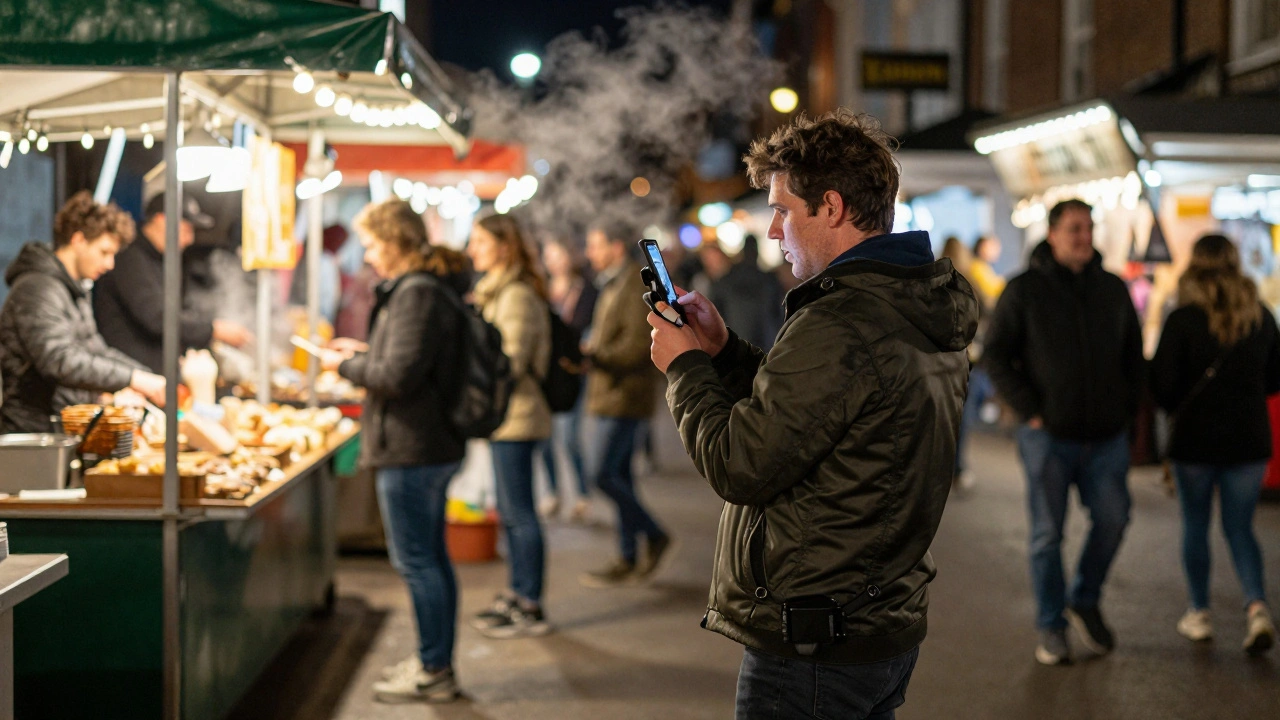
- Street markets at night-Camden Market, Borough Market (on Friday/Saturday nights), and Brick Lane’s weekend food stalls are public spaces. You can film here without a permit as long as you’re not blocking foot traffic or using professional lighting.
- Public parks with late-night events-Regent’s Park and Victoria Park sometimes host open-air cinema nights or music pop-ups. These are often promoted as media-friendly events. Check the event page for filming policies.
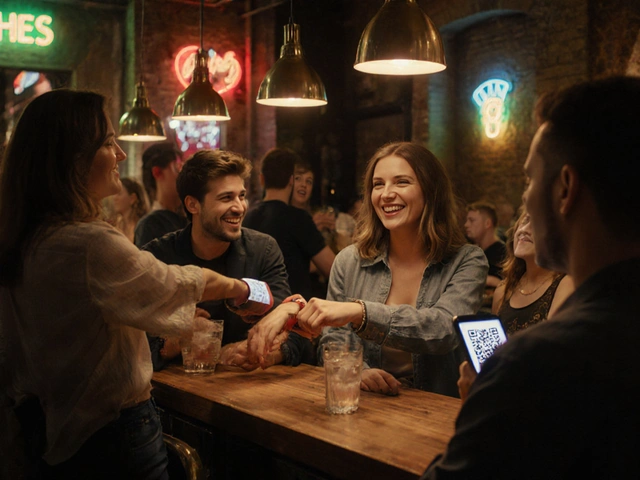
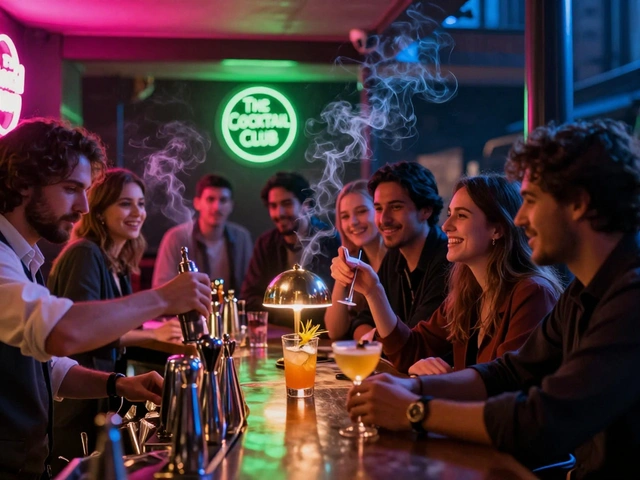
- Bars with open-door policies-Some pubs and cocktail lounges in Fitzrovia or Notting Hill don’t care about small cameras. They’re more interested in you buying drinks than filming. But don’t assume-ask.
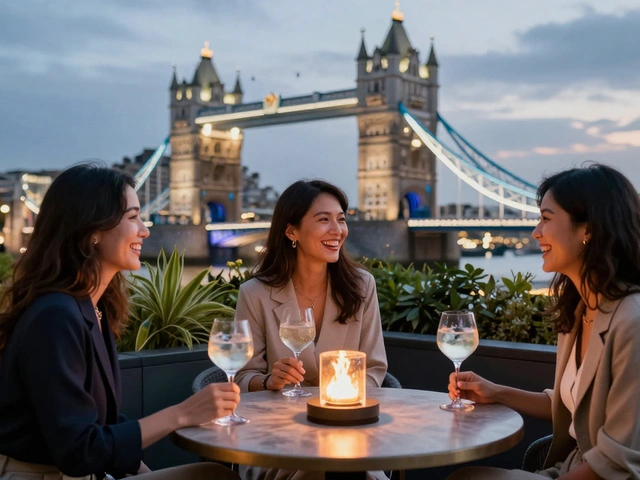
- Club rooftop terraces-If a venue has a rooftop bar that’s open to the public, you can often shoot the skyline and crowd from outside the club. Just don’t point your lens into the actual dance floor unless you have permission.
What Happens If You Get Caught?
Most of the time, you’ll just be asked to stop. Your footage won’t be deleted unless you’re being aggressive or violating someone’s privacy. But in rare cases, you might be ejected. If you’re filming without consent and someone files a complaint, you could face legal trouble under the UK’s Data Protection Act. Filming someone in a private space (like a club) without their permission can be considered a breach of privacy-even if you don’t publish it.
Some clubs have a zero-tolerance policy. They’ll call the police if you refuse to delete footage. That’s rare, but it’s happened. In 2024, a YouTuber was arrested outside a Shoreditch club after refusing to delete a video that showed a staff member in a confrontational moment. He wasn’t charged, but he lost access to every major club in London for a year.
How to Build Relationships With Venues
If you want to shoot regularly in London’s nightlife, stop treating venues like obstacles. Treat them like partners. Offer value. Many clubs need content. They want to show off their vibe, their DJs, their crowd. If you’re good at what you do, you can turn your camera into a free marketing tool for them.
Send a short pitch: “Hi, I’m a content creator who specializes in nightlife visuals. I’d love to film at your venue on a quiet night and share the footage with my audience. I’ll tag you, link to your website, and give you 3-5 high-res clips for your socials. No cost to you.”
Some places will say no. Others will say yes-and even give you a free drink or VIP access. Build trust. Be consistent. Don’t ghost them after one shoot. Follow up. Send them the final video. Thank them. That’s how you become the photographer they call when they need new content.
Equipment That Actually Works in Low Light
You don’t need expensive gear. You need gear that doesn’t draw attention. Here’s what works:
- iPhone 15 Pro-Night mode works better than most DSLRs in clubs. It handles motion blur and low light without needing a tripod.
- DJI Osmo Mobile 7-A compact gimbal that fits in a jacket pocket. Great for smooth walking shots in crowded spaces.
- Rode VideoMicro+-A tiny mic that clips onto your phone. Captures clear audio without looking like a film crew.
- Portable LED panel (small, dimmable)-Only if you’re allowed to use lighting. Use it sparingly. A bright light ruins the atmosphere and annoys everyone.
Avoid big cameras. Avoid tripods. Avoid flash. The goal isn’t to make a Hollywood movie. It’s to capture the feeling of being there-blurry lights, sweat, bass shaking your chest, laughter over bad music. That’s what people want to see.
What to Do If You’re Rejected
If a venue says no, don’t push. Don’t try to sneak in. Don’t film from the alley. Don’t pretend you’re just a tourist. That’s how you get banned from every club in the city.
Instead, ask: “Is there a day or time when you allow photographers?” or “Do you have a media contact I can email?” Sometimes, the answer is “no,” but the door opens later. Many clubs work with local influencers on a monthly basis. Find out who they are. Reach out. Ask how they got access. Learn from them.
There’s always another venue. London has hundreds of bars, lounges, and pop-ups. One no doesn’t mean all no. It just means you need to find the ones that are open to collaboration.
Final Rule: Be Invisible
The best night photography and filming in London’s nightlife isn’t about the gear. It’s about being part of the scene without disrupting it. Move like you belong. Shoot like you’re not shooting. Listen to the music. Dance a little. Laugh with strangers. The best moments aren’t the ones you plan-they’re the ones you’re part of.
If you’re there to capture the energy, don’t stand outside it. Step inside. And if you’re asked to stop? Smile, nod, and thank them. You’ll be back tomorrow. And next time, they’ll let you stay.
Can I film in London clubs with my smartphone?
Yes, if you’re using it discreetly and not drawing attention. Most clubs don’t care about casual smartphone use-like taking a quick photo or recording a short clip for your own memories. But if you’re holding your phone up for more than a few seconds, using a gimbal, or filming people up close, you’re likely crossing into commercial territory. Always ask first.
Do I need a permit to film outside a nightclub?
If you’re filming in a public space like a sidewalk or alley near a club, and you’re using professional equipment (tripod, lights, large cameras), you need a permit from the local council. For casual filming with a phone and no gear, you usually don’t. But if you’re clearly making content for public release, even with a phone, you’re technically commercial-and could be asked to stop.
What happens if someone objects to being filmed?
If someone asks you to stop filming them, you must stop immediately. Under UK law, people have a reasonable expectation of privacy in venues like clubs-even if they’re in public view. Recording someone without consent and sharing it publicly can lead to legal action. Delete the footage on the spot if asked. It’s not just polite-it’s the law.
Can I use music from the club in my videos?
No, unless you have written permission from the rights holder. Most club music is copyrighted. Even if you’re not monetizing your video, using the original audio without a license can get your content taken down or your account flagged. Record ambient sound instead, or use royalty-free tracks in post-production.
Are there any clubs in London that welcome photographers?
Yes-but they’re not the big-name clubs on Friday nights. Smaller venues, underground spaces, and weekly themed nights often welcome photographers who offer value in return. Look for events hosted by collectives like The Cross, The Social, or The Old Blue Last. Reach out to them directly with a portfolio and a clear offer: free content in exchange for access.
If you’re serious about capturing London’s nightlife, treat it like a community-not a backdrop. The best shots come from trust, not trespassing.