 30
Jan,2026
30
Jan,2026
Walking into a club expecting a wild night out, only to get turned away at the door because of your shoes? It happens more than you think. Clubs aren’t just about music and drinks-they’re strict about how you look. The rules aren’t random. They’re there to keep the vibe right, avoid fights, and make sure everyone feels welcome. Knowing what not to wear can save you a night of disappointment-and maybe even a public embarrassment.
Flip-Flops and Sandals Are a Hard No
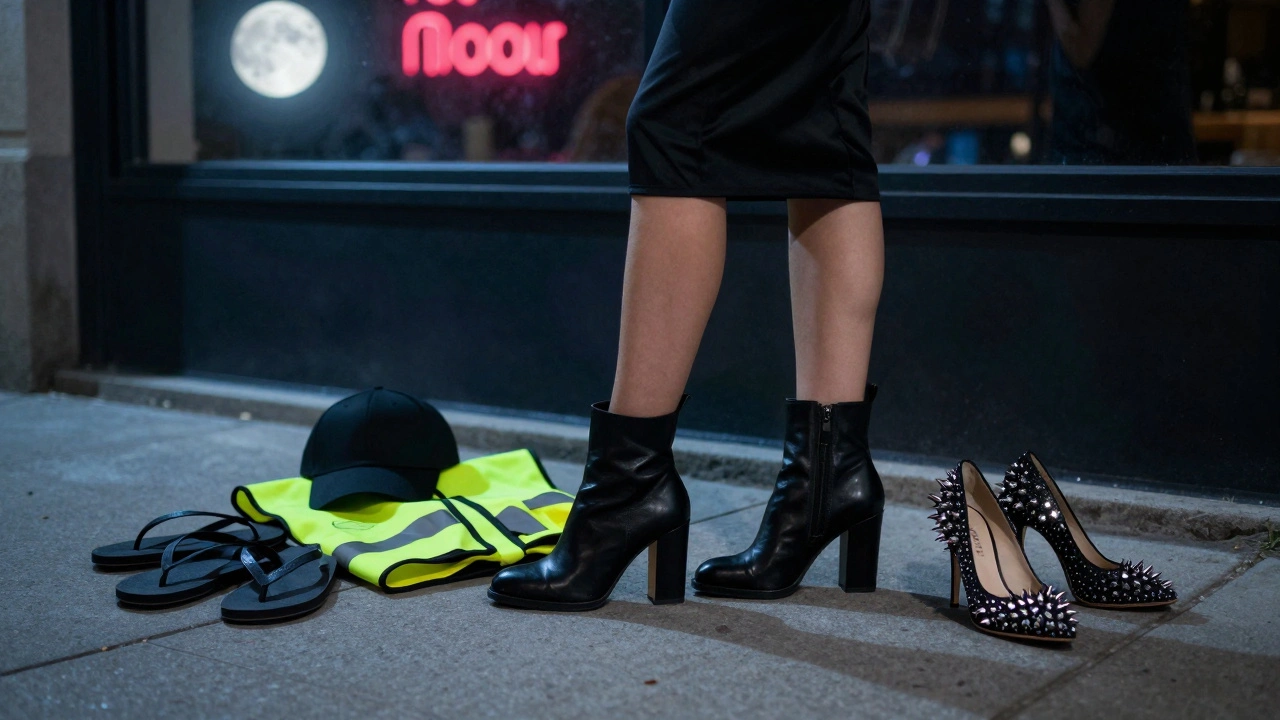
Even if it’s 90 degrees outside, most clubs won’t let you in wearing flip-flops. They’re seen as lazy, unpolished, and unsafe. Staff don’t want people slipping on wet floors or tripping over crowds. Some clubs in warmer cities might bend the rule for high-end sandals with straps, but if it’s a thong-style flip-flop, you’re out. This isn’t the beach. It’s a packed dance floor with people bumping into each other. You need shoes that stay on.
Workout Gear Doesn’t Belong
Running shorts, tank tops, gym socks, and athletic jerseys? Save those for the gym. Clubs want people dressed to impress, not to sweat. Wearing a New York Yankees cap with a sweaty tank top and baggy shorts screams ‘I just left the treadmill.’ Even if you’re fit and confident, the look says you didn’t try. Most clubs enforce a smart-casual standard. That means no compression gear, no sweatbands, no visible gym logos unless they’re designer (and even then, it’s risky).
Baseball Caps and Hats Are Banned
It’s not about fashion-it’s about security. Hats obscure faces. Bouncers need to see who’s coming in. A baseball cap, beanie, or bucket hat can make it harder to ID someone, especially if they’ve been banned before. Some clubs will let you in if you take it off, but many won’t even give you the chance. If you’re wearing a hat when you arrive, expect to be asked to remove it-or turned away. No exceptions.
Overly Baggy or Saggy Pants Are Out
Loose, sagging jeans that show your underwear? That’s a hard pass in most clubs. It’s not just about style-it’s about perception. Clubs want to avoid associations with gang culture or public disorder. Even if you’re not part of any group, the look can trigger a negative reaction from staff. Tighter fits, well-fitted jeans, or tailored chinos are safer. If your pants are hanging below your hips, they’re not club-ready.
Open-Toed Shoes for Men? Not in Most Places
Men, this one catches a lot of you off guard. While women can often get away with elegant sandals, men wearing open-toed shoes are almost always denied entry. It’s a double standard, but it’s real. Clubs associate men in open-toed shoes with being underdressed or disrespectful. Closed-toe shoes-loafers, oxfords, clean sneakers-are your best bet. Even if your sandals look expensive, they still send the wrong signal.

Shirts with Offensive Graphics or Logos
That shirt with a political slogan, a banned band logo, or a meme about violence? Don’t wear it. Clubs have zero tolerance for anything that could spark conflict. Even if you think it’s funny or ironic, bouncers don’t care. They’ve seen too many fights start over a shirt. No hate symbols. No drug references. No weapons or gang imagery. Even a shirt with a swear word printed on it might get you turned away. Keep it clean. Simple logos, solid colors, or subtle patterns are your friends.
High Heels That Look Like Weapons
Women, you can wear heels-but not stilettos that look like spikes. Clubs ban extremely thin, needle-like heels because they damage floors and can hurt other patrons. Some venues have even banned heels over 4 inches. You don’t need to wear flats, but go for block heels, kitten heels, or wedges. They’re stylish, safe, and still elevate your look. If your heels make a loud clicking sound every step, they’re probably not allowed.
Work Uniforms and Service Clothing
Wearing your restaurant apron, construction vest, or hospital scrubs? Nope. Clubs don’t want people showing up in work clothes. It makes the place feel like a break room, not a party. Even if you just got off shift, change first. A uniform says you’re not there to have fun-you’re there to work. That’s not the vibe clubs want. If you’re unsure, ask yourself: ‘Would I wear this to a job interview?’ If yes, don’t wear it to the club.
Too Much Jewelry or Accessories
Big gold chains, oversized rings, or dangling earrings might look flashy, but they’re a red flag. Clubs worry about theft and fights. Someone might try to grab your necklace. Or worse, someone else might feel threatened by how flashy you look. Most clubs allow tasteful jewelry-small studs, simple bracelets-but anything that looks like it could be a weapon or a target gets flagged. If you’re wearing more than three pieces of noticeable jewelry, you’re risking denial.
Religious or Cultural Garments? It Depends
Some clubs allow hijabs, turbans, or kippahs. Others don’t. It’s not about discrimination-it’s about consistency. If your outfit includes a full-length robe, face covering, or headpiece that hides your identity, you might get asked to remove it for ID purposes. Many clubs have policies that require clear facial visibility. If you’re unsure, call ahead. Most will accommodate if you explain respectfully. But don’t assume it’s allowed. Always check.
What About Sneakers?
Not all sneakers are banned. Clean, minimalist sneakers-like white Adidas Stan Smiths, Nike Air Force 1s, or Common Projects-are fine. But if they’re scuffed, dirty, or look like you’ve worn them for a 10-mile run, you’re in trouble. Bouncers can tell the difference. Keep them spotless. No neon colors, no oversized logos, no basketball-style high-tops. Think ‘streetwear chic,’ not ‘basketball court.’
Why Do Clubs Have These Rules?
It’s not about being snobby. It’s about safety, liability, and atmosphere. Clubs pay insurance premiums based on how many incidents happen inside. A single fight over a shirt or a broken ankle from a stiletto can cost them thousands. They also want to attract a certain crowd-people who care about how they look, who aren’t there to cause trouble. The dress code filters out the wrong energy before it even gets inside.
Some clubs even post their dress code on their website or Instagram. If you’re going somewhere new, check it. Don’t guess. A quick scroll through their recent posts can show you what people are wearing inside. If everyone’s in blazers and heels, you know what to pack.
What to Wear Instead
Here’s the simple formula: clean, fitted, intentional. For men: dark jeans or tailored pants, a button-down or fitted tee, clean sneakers or loafers. For women: a dress, skirt, or well-fitted pants with a stylish top, closed-toe heels or elegant flats. No logos, no rips, no sweat. Think ‘casual elegance.’ You don’t need to look like you’re going to a gala-but you do need to look like you tried.
What Happens If You Get Turned Away?
Don’t argue. Bouncers aren’t there to debate fashion. They’re following orders. Arguing won’t get you in-it’ll get you blacklisted. If you’re denied, walk away calmly. You can always come back another night, dressed right. Some clubs let you go to the nearby store and buy a shirt or shoes. Others won’t. Either way, don’t make a scene. Your reputation matters more than one night out.
Can I wear jeans to a club?
Yes, but not ripped, baggy, or covered in paint. Dark, clean, well-fitted jeans work for most clubs. Avoid jeans with large logos, patches, or excessive fading. If they look like you’ve been working in them all day, they’re not club-ready.
Are sneakers allowed in clubs?
Only if they’re clean, minimal, and stylish. White leather sneakers like Adidas Stan Smiths or Nike Air Force 1s are fine. Avoid basketball shoes, neon colors, or anything with visible dirt. If they look like gym shoes, you’ll likely be turned away.
Can women wear flats to clubs?
Absolutely. Many clubs prefer flats over high heels because they’re safer. Just make sure they’re stylish-no flip-flops, no worn-out canvas shoes. Leather loafers, elegant mules, or designer flats work well. You don’t need heels to look put together.
Do clubs check IDs for dress code?
They check IDs for age, but they also visually assess your outfit. If you look like you’re violating the dress code, they’ll stop you before they even ask for ID. Dress code enforcement happens at the door, not after.
What if I’m going to a themed club night?
Themed nights sometimes relax rules-think 80s night or costume parties. But even then, they usually ban offensive clothing, weapons, or full face coverings. Always check the event details. When in doubt, lean toward stylish and safe over outrageous.