 16
Dec,2025
16
Dec,2025
Walking into a bar in London shouldn’t feel like stepping into a minefield. For trans people, finding a space where you’re not just tolerated-but truly seen-is still a challenge. Too many venues still treat gender identity as an afterthought, or worse, a problem. But things are changing. Across the city, a quiet revolution is happening in the back rooms, dance floors, and cocktail bars where trans folks are finally being welcomed as themselves.
Why trans-inclusive spaces matter more than ever
Trans people in London face higher rates of harassment in public spaces than any other group in the LGBTQ+ community. A 2024 survey by London Trans+ Pride found that 68% of trans respondents had been verbally abused in a nightlife setting in the past year. That’s not just bad service-it’s a safety issue. The right venue doesn’t just have a rainbow flag on the wall. It has staff trained to use correct names and pronouns, gender-neutral restrooms, and a culture where misgendering isn’t shrugged off as "just a mistake." These spaces aren’t just about safety. They’re about belonging. A trans person shouldn’t have to explain their identity to get a drink. They shouldn’t have to scan the room for signs of acceptance before taking off their coat. The best trans-inclusive venues make that unnecessary.What makes a venue truly trans-inclusive?
Not every place that says "LGBTQ+ friendly" is actually trans-inclusive. Here’s what to look for:- Staff training: Do bartenders and bouncers know how to handle misgendering? Do they know how to respond if someone is being harassed?
- Gender-neutral restrooms: At least one fully accessible, clean, and well-maintained restroom that doesn’t force people into binary options.
- Names on the menu: Do they write your chosen name on your drink? Or do they default to your ID?
- Event programming: Are there nights hosted by trans DJs, performers, or collectives? Or is trans visibility limited to one annual Pride event?
- Zero tolerance for abuse: Do they have a clear policy for ejecting transphobic patrons? And do they actually enforce it?
These aren’t fancy extras. They’re basic human decency. And the venues that get them right? They’re the ones people talk about for years.
Top trans-inclusive venues in London right now
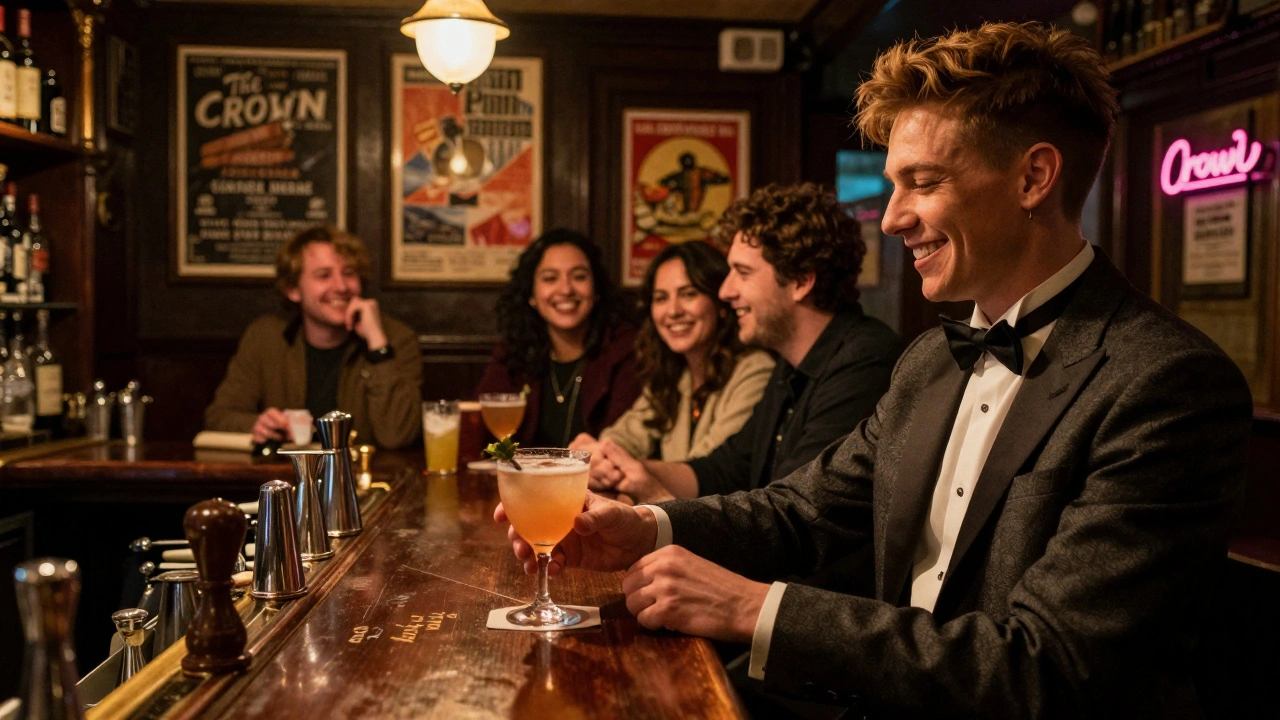
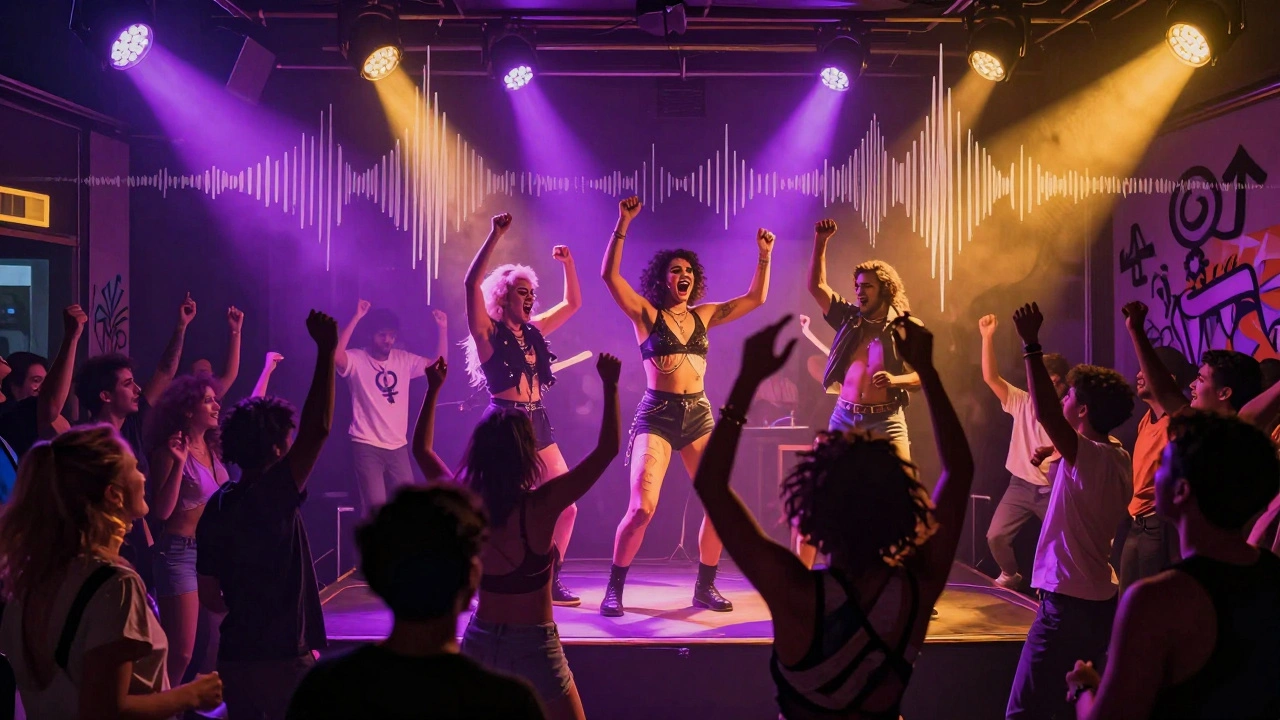
The Crown in Vauxhall has been a staple for over a decade. It’s not flashy. No neon signs. Just a warm, dimly lit pub with a back room that turns into a dance floor on Friday nights. The staff here know regulars by name-and by pronoun. They don’t ask for ID unless it’s legally required. And if someone’s misgendered? The bartender will gently correct them. No drama. No confrontation. Just quiet, consistent respect. It’s the kind of place where a trans person can show up in a dress, a suit, or jeans and a hoodie-and feel like they belong in all three.Club Kali in Dalston is a weekly event, not a permanent venue. But it’s one of the most powerful spaces in the city. Hosted by trans and non-binary collectives, it’s a night of fierce performances, house music, and zero judgment. The bouncers are trans themselves. The sound system is loud enough to drown out any comment that doesn’t come from the dance floor. People come from all over the UK to be here. The vibe? Like a family reunion where everyone’s dancing like no one’s watching.
Queer Bar in Soho, opened in 2023, was built from the ground up with trans inclusion as its core principle. Every door is wide enough for wheelchairs. Every restroom has a changing table. The cocktail menu includes drinks named after trans activists-like the "Laverne" (gin, elderflower, rosewater) and the "Sylvia" (tequila, lime, hibiscus). The owner, a trans woman who spent years being turned away from other clubs, designed this place to be everything she wished existed.
Bar Zed in Shoreditch is a late-night spot that doesn’t care what you look like, as long as you’re kind. It’s known for its drag shows that feature trans performers alongside cis performers-not as "special guests," but as equals. The crowd? Mixed ages, mixed genders, mixed backgrounds. The rule? No asking about someone’s transition. No "what were you before?" No photos without permission. It’s a place where your story is yours to share-or not.
The White Horse in Brixton is a community hub disguised as a pub. On Tuesdays, it hosts "Trans Talk," an open mic for storytelling. On Saturdays, it turns into a low-key dance party with a playlist curated by local trans DJs. The walls are covered in art by trans artists. The fridge is stocked with free period products and gender-affirming lube. It’s not just a bar-it’s a lifeline.
What’s missing? Where the system still fails
Even the best venues have limits. Many trans people still avoid certain areas of London because they’ve been followed, stared at, or confronted. Clubs in the West End still have bouncers who scan IDs too closely. Some venues still refuse entry to people whose IDs don’t match their presentation-even if they’re carrying a deed poll or a letter from their GP.And while trans-inclusive spaces are growing, they’re still outnumbered. Most of the top venues are clustered in a few neighborhoods: Soho, Dalston, Vauxhall. Outside those areas, options are slim. A trans person living in Croydon or Walthamstow still has to travel far just to feel safe on a Friday night.
There’s also a gap in daytime spaces. Most trans-inclusive venues open at 7 p.m. What about the person who needs a quiet coffee in the afternoon? Or a safe place to meet a friend before the clubs open? Few places offer that.
How to support trans-inclusive venues
You don’t have to be trans to help. Here’s how you can make a difference:- Go there. Patronage matters. If you want these places to stay open, show up. Bring friends. Leave reviews.
- Respect the rules. If a venue asks you not to take photos, don’t. If they ask you not to ask personal questions, don’t. These aren’t suggestions-they’re survival tactics.
- Call out bad behavior. If you hear someone misgendering a patron, say something. Quietly. Firmly. "Actually, they go by Alex and use they/them." That one line can stop a cascade of harm.
- Donate or volunteer. Many of these spaces run on tight budgets. A small donation to Club Kali’s fund for trans performers, or helping out at The White Horse’s weekly cleanup, goes further than you think.
Trans-inclusive spaces aren’t charity. They’re community. And like any community, they need everyone’s effort to keep them alive.

What’s next for trans nightlife in London?
The movement is growing. New collectives are forming. More venues are starting to hire trans staff. The city council has begun funding trans-led nightlife initiatives. But real change doesn’t come from policy alone. It comes from people showing up-not just on Pride weekend, but on Tuesday nights, when no one’s watching.The future of London’s nightlife isn’t about glitter and drag queens (though there’s plenty of that). It’s about quiet, daily acts of respect. A bartender remembering your name. A stranger defending you when someone says something stupid. A dance floor where no one has to check over their shoulder.
That’s the future. And it’s already here-in these spaces, in these moments, in these people.
Are trans-inclusive venues in London only for trans people?
No. These venues are for everyone who respects trans people and wants to be part of a safe, welcoming space. Cis allies are welcome-as long as they follow the rules: no misgendering, no invasive questions, no harassment. The goal isn’t exclusion-it’s creating a space where trans folks don’t have to fight just to exist.
Do I need to show ID to enter these venues?
Some do, especially if you look under 25. But the best trans-inclusive venues don’t use ID to gatekeep gender. If your ID doesn’t match your presentation, they’ll still let you in. Staff are trained to focus on behavior, not paperwork. If a venue refuses entry based on ID alone, that’s not inclusion-it’s discrimination.
Are these venues safe for non-binary and gender-nonconforming people?
Yes. Non-binary, genderfluid, and gender-nonconforming people are at the heart of these spaces. Many venues specifically design events for them. Restrooms are unisex. Staff are trained to avoid binary assumptions. The culture here is built on the understanding that gender isn’t a box to check-it’s a spectrum to celebrate.
What should I do if I see someone being harassed at one of these venues?
Don’t ignore it. Step in calmly. Say something like, "That’s not okay here." If you’re uncomfortable confronting the person directly, alert a staff member immediately. These venues have clear protocols for handling harassment-and they take it seriously. Your intervention could prevent a traumatic experience.
Can I bring my kids to trans-inclusive venues?
Most are 18+ or 21+ only, especially on weekends. But some, like The White Horse in Brixton, host family-friendly daytime events. Always check the venue’s schedule. If you’re unsure, call ahead. Many places are happy to let you know if a night is child-appropriate or if they have quiet hours.
Final thought: It’s not about being perfect-it’s about being present
No venue is flawless. Some have outdated signage. Others still struggle with staffing. But the ones that matter? They’re trying. They’re listening. They’re changing. And that’s enough to make a difference.If you’re trans and you’ve ever walked into a place and felt your shoulders drop because you didn’t have to explain yourself-that’s the power of these spaces. They don’t fix the world. But they give you a corner of it where you can breathe.
Go find one. Sit down. Order a drink. Stay late. Let the music carry you. You belong here.